USA
USA  United Kingdom
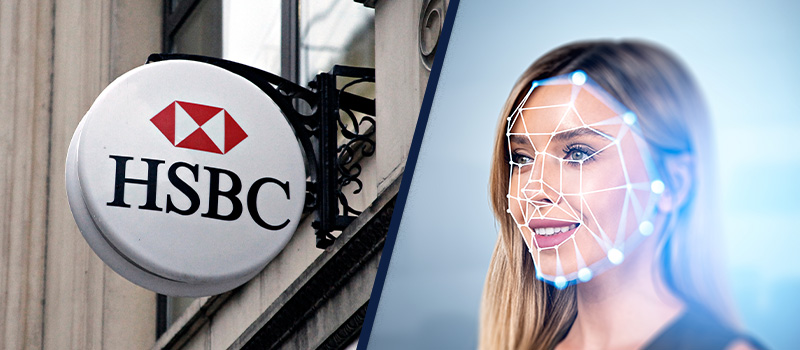
HSBC is planning a major increase in staff surveillance across its global offices and premises, a Reuters report has revealed.
The bank’s heightened “global security strategy” includes a fourfold increase in the number of cameras at its new London-based facility, doubling its use of biometric verification, and badging software installed on employees’ personal mobile devices.
While HSBC said the changes are meant to protect the “safety and security” of employees, the increased surveillance protocols have sparked concerns about the level of workplace monitoring.
Cameras, digital badges, & biometric scans: Inside HSBC’s ‘global security strategy’
An internal presentation created by HSBC’s security team, seen by Reuters, details the new global strategy.
The bank’s new facility in the City of London is set to have over 1,754 cameras installed, nearly four times the number in place at its present HQ in Canary Wharf.
The office will also have 779 biometric readers, more than doubling the 350 devices currently in place.
According to the global security presentation, dated May 2025, HSBC’s top-tier facilities across the UK and US will be accessible through biometric verification – such as full-hand recognition.

Employees are also being asked to install badging software on their own mobile phones to scan into office buildings.
Pressure to have company software on their personal devices has sparked resistance from staff, Reuters said, citing an individual familiar with the policies.
Most UK employees were not complying with biometric or digital access policies as of the end of 2024, the source claimed, adding that HSBC recently tripled the budget for surveillance at the new London site to roughly $15million.
A spokesperson for HSBC said the “safety and security of our people is at the forefront of everything HSBC does.”
“We regularly risk assess every building and dependant on the identified risk and vulnerabilities,” they continued. “We continue to invest in the latest cutting-edge technology to safeguard our colleagues, customers, and visitors in line with industry standards.”
The ongoing expansion of surveillance will be managed by Diane Marchena, HSBC’s Global Head of Protective Security, reporting to Chief Operating Officer Suzy White.
AI analytics & surveillance software
HSBC has partnered with Octopus to deploy tools for workplace surveillance.
Further documents revealed that the software has been in place in the UK and Hong Kong since 2024, Reuters reported.
More rollouts are planned for countries such as India and Mexico in 2025, the documents said.
HSBC will combine video surveillance with artificial intelligence analytics, the May presentation noted, with cameras placed in key locations such as the entry and exit of its trading floors.
The presentation reported that “theft incidents” in the Canary Wharf HQ indicated a “need for increased CCTV capabilities on working floors.” Reuters’ source suggested that thefts at HSBC facilities were mostly minor.
A 2025 ExpressVPN study found that more than 90% of employers believe that in-office badging systems, biometric scanning, and online monitoring help keep staff performance on track.
Why HR still struggles to reach Deskless Employees
Frontline employees often have the greatest need for HR support—but the least access to it. The reason is simple: most HR systems were designed for desk-based employees.
If you're investing in HR digital transformation, it's essential to ensure that every employee—whether office-based, hybrid, or deskless—has equal access to HR services, information, and support.
This guide explores the key considerations for building a consistent, accessible, and connected HR service experience for your entire workforce.
You'll learn how to:
✅ Deliver consistent HR support across every location
✅ Reduce repetitive HR requests
✅ Improve self-service adoption
✅ Connect email, mobile, AI and employee portals
✅ Create a better employee experience for frontline workers
Other research suggests that rolling out surveillance software can increase turnover rates, and, according to The Institute for Public Policy Research, that tools including facial recognition and biometric tracking disproportionately affect Black workers and young employees.
The IPPR said that unequal workplace surveillance exacerbates existing inequalities in the UK labour market, “infringing on workers’ rights and undermining wellbeing.”
HSBC office strategy in the spotlight
HSBC’s office footprint has been under scrutiny in recent months, after initial reports that it could be thousands of desks short amid the planned relocation from Canary Wharf to the City of London.
As previously reported by HR Grapevine, the new HQ at Panorama St Paul’s (set to open in 2027) will offer just 556,000 square feet of office space, down from the 1.1 million square feet currently available at 8 Canada Square.
This dramatic reduction could leave HSBC short by as many as 7,700 desks, with the new space reportedly only able to accommodate around 4,400 employees. By contrast, its current East London base supports roughly 8,000 staff.
Meanwhile, the bank warned UK staff in May that they were at risk of losing their bonuses if they didn’t come into the office frequently enough.
In July, following weeks of speculation, HSBC ordered senior staff across the globe back to the office four days a week.
With concerns over office capacity, the bank has reportedly decided to add a smaller presence in Canary Wharf. This office was not included in the presentation detailing HSBC’s plans for heightened surveillance.