USA
USA  United Kingdom
A former top executive at Google X is sounding the alarm over the impact of AI, claiming jobs across all levels, including the C-suite, are at risk.
Mo Gawdat, who spent nearly five years in a senior role at Google’s innovation lab, said artificial intelligence will not create jobs. “The idea that artificial intelligence will create jobs is ‘100% crap,’” Gawdat said on the Diary of a CEO podcast.
Gawdat cited his own AI startup Emma.love, developed with just two other software experts and AI tools. “A project that would have required "350 developers in the past,” he said.
No immunity for executives or specialists
Gawdat warned that even roles thought to require a human touch, such as executives, podcasters and video editors, will eventually be eliminated. He pointed to similar predictions from Bill Gates, who said doctors and teachers may also be replaced.
Artificial general intelligence, Gawdat said, is “going to be better than humans at everything, including being a CEO,” adding, “There will be a time where most incompetent CEOs will be replaced.”
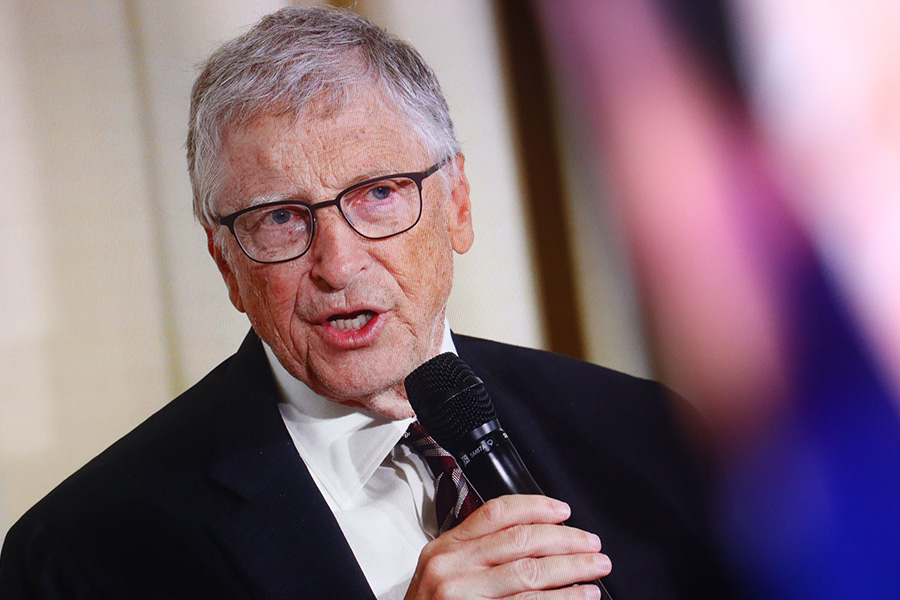
According to Gawdat, “Those who have the most promising outlook are professionals who are the best at their jobs.” But, he added, “even they won’t be safe forever.”
AI adoption rising, but so is upskilling
Despite the warning, other business figures argue that AI offers opportunity for growth. Mark Cuban and Jensen Huang say developing AI literacy and combining it with soft skills can create a competitive edge. Cuban runs a free AI boot camp for kids, while Huang’s company builds software and chips for generative AI systems.
Both leaders use AI daily for tasks including writing drafts, managing email and obtaining medical advice.
The World Economic Forum’s 2025 Future of Jobs report found that while 41% of employers globally plan to downsize due to AI (48% in the US), 77% intend to upskill their workforce to collaborate with AI systems. Additionally, 47% are seeking to transition workers from declining roles into new positions.
Societal benefits of AI
Gawdat did note that this transformation could unlock other societal benefits. He suggested that an AI-driven world could reduce the pressure to define identity through work.
“We were never made to wake up every morning and just occupy 20 hours of our day with work. We’re not made for that,” he said. “We defined our purpose as work. That’s a capitalist lie.”
He believes this shift would necessitate universal basic income. “A social welfare policy that ensures all citizens of a community regularly receive a payment from the government without work requirements,” Gawdat said.
He also warned about misuse of AI under poor leadership: “The other caveat to this ‘utopia’ is the potentially dangerous consequences of the ‘hunger for power, greed and ego’ as AI bots report to ‘stupid leaders.’”
“This is real,” Gawdat said. “This is not science fiction.”