 USA
USA  United Kingdom

Whether you think his apparent "Nazi" salute was some sort of Dr. Strangelove-style spasm or agree that the Federal sector could actually do with losing some weight, one thing is clear: Elon Musk’s high-profile political shenanigans are increasingly impacting his companies' consumer reputation, employer brand, staff morale, and perhaps most concerningly for him, share price.
As the head of the Department of Government Efficiency (DOGE) in the Trump administration, Musk’s actions in axing thousands of Federal jobs have inevitably caused controversy, resulting in public backlash, plummeting sales of his Tesla cars, and concerns about employee retention.
His association with a programme of drastic federal job cuts and divisive political views have made Tesla and the fast-declining X (formerly Twitter) focal points for protests, legal action and negative media coverage. Although, such are the times, plenty of positive coverage too.
While so-called CEO activism is nothing new, Musk’s involvement is fast turning into a cautionary tale for high-profile business leaders. It demonstrates the delicate balance executives must strike between personal expression and protecting their company’s reputation as both a brand and as an employer.
Political involvement and consumer fallout
Tesla’s consumer reputation has taken a significant hit since Musk’s political role expanded. In the wake of his appointment to DOGE, Tesla’s European sales plummeted 50% year-over-year in January, and analysts predict this will be Tesla’s weakest quarter for vehicle deliveries since 2022. JPMorgan analysts cited Musk’s "divisive" political actions as a key factor, declaring that Tesla’s visibility in Trump’s administration has resulted in heightened public scrutiny.
“We struggle to think of anything analogous in the history of the automotive industry, in which a brand has lost so much value so quickly,” wrote the JPMorgan analysts.
Wow! And, while we’re about it, ouch!
The decline in Tesla’s consumer appeal is particularly concerning given the role of brand perception in electric vehicle sales. As younger, environmentally conscious buyers increasingly associate Tesla with Musk’s political affiliations, rival automakers are gaining ground fast. Those workers must be on a high right now.
Employer brand and staff morale
The reputational damage extends beyond Tesla’s consumer market. Tesla facilities have become targets for protests and vandalism, with multiple showroom fires, arson attacks, and property damage reported across the US.

The unrest has also reached Tesla employees. Protests under the banner “Tesla Takedown” have drawn attention to the company's association with government layoffs, creating unease among staff and contributing to a more uncomfortable work environment.
Employee engagement has also been impacted. Research shows that workers increasingly expect their employers to align with social values they support. Musk’s perceived alignment with far-right political movements and the apparent “Nazi” salute after Trump’s inauguration, has triggered alarm among some employees.
Musk’s extra-curricular activities only serve to highlight the importance of balancing leadership activities with internal stability.
While high-profile CEOs may view political involvement as an opportunity to flex, and show how they can influence government policy, the potential for alienating employees and those outside the organization is large and can create long-term consequences.
Financial pressures and talent retention
It’s not even about people’s opinions or differing points of view. Tesla’s financial challenges are already compounding the strain on its workforce. With shares down 40% since the start of the year and JPMorgan predicting a further 50% decline, employees face mounting uncertainty. It’s not a sustainable direction of travel.
And, it’s worth pointing out that Elon Musk is not the founder of Tesla (that was Martin Eberhard and Marc Tarpenning) and neither does he have a controlling share of the company, although he is the largest shareholder, with a 12.8% stake. So, in theory at least, he could be fired...
Why HR still struggles to reach Deskless Employees
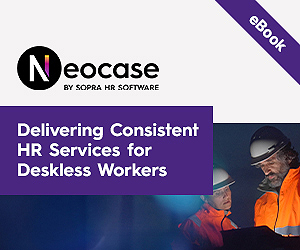
Frontline employees often have the greatest need for HR support—but the least access to it. The reason is simple: most HR systems were designed for desk-based employees.
If you're investing in HR digital transformation, it's essential to ensure that every employee—whether office-based, hybrid, or deskless—has equal access to HR services, information, and support.
This guide explores the key considerations for building a consistent, accessible, and connected HR service experience for your entire workforce.
You'll learn how to:
✅ Deliver consistent HR support across every location
✅ Reduce repetitive HR requests
✅ Improve self-service adoption
✅ Connect email, mobile, AI and employee portals
✅ Create a better employee experience for frontline workers
Additionally, Tesla’s letter to the US trade representative revealed concerns about the impact of Trump’s trade tariffs on the company’s global supply chain. While Tesla is pursuing local suppliers to reduce exposure, the letter warned that some components remain difficult to source domestically.
The combination of financial instability, reputational damage, and internal unrest creates a challenging environment for those within the company tasked with maintaining morale and retaining key talent.
Employees will quickly become disenchanted if they see Musk’s activism as detrimental to their job security and/or the company's long-term stability.
Managing CEO activism
Musk’s case offers several key insights. Transparency and clear communication are crucial when business leaders take high-profile political stances. Employees need reassurance that company values remain intact and that leadership decisions will not jeopardize their careers.
Additionally, HR teams should be prepared to proactively manage public perception through employer branding strategies. Reinforcing positive aspects of company culture, ensuring diversity of thought is encouraged (another potentially damaging topic), and offering employees opportunities to voice concerns without fear of reprisal.

The Tesla example also highlights the importance of succession planning and leadership development. While Musk’s unique influence is viewed as difficult to replace, businesses must prepare for scenarios where a CEO’s actions destabilize the company to the extent where they are shown the door.
Creating robust management structures can mitigate risks if public perception turns against a prominent leader.
Balancing behavior with stability
Elon Musk’s actions perfectly illustrate what can happen when the activity of leaders overshadows business performance and employee well-being.
For those having to work with it, the challenge is ensuring that executive influence aligns with company values while safeguarding internal stability.
Let’s face it. It’s almost impossible to rein in the behaviour of the world’s richest man even before you factor in his belligerent and abrasive “personality”.
But, generally, fostering open communication, reinforcing company culture, and preparing for reputational risks, gives HR pros a fighting chance of protecting workers from the fallout of leadership grandstanding.


