USA
USA  United Kingdom
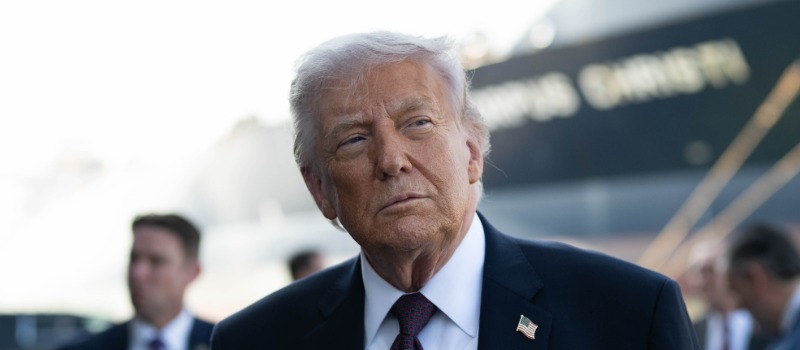
The Trump administration is moving to make federal employees sign non-disclosure agreements under a proposed rule that has sparked concern across the federal workforce, with labor groups warning it could change how workers speak up inside government.
A draft notice posted by the Office of Personnel Management outlines plans for a government-wide NDA form that agencies could use with both new hires and current employees. The OPM said that the measure would create consistency across government, better protect confidential information, and clarify employees’ responsibilities when handling sensitive material.
The proposal has been positioned as a response to unauthorized disclosures to the media, and said leaks have weakened trust between federal agencies and disrupted internal decision-making.

Why HR still struggles to reach Deskless Employees
“Such disclosures risk chilling candid interagency feedback, disrupting orderly decision-making, and weakening trust within and among Federal agencies,” the notice said.
The proposal brings into focus issues around employee trust, whistleblower protections, onboarding requirements, and workplace confidentiality.
OPM says NDA would strengthen accountability
The rule is scheduled for official publication today (Wednesday May 27) triggering a 30-day public comment period. The notice says agencies would have discretion over whether to adopt the NDA.
If used, the agreement would be issued to newly hired employees during onboarding and could also be administered to current federal staff.
OPM said the NDA would not prevent legally protected disclosures to Congress, an Inspector General, or others protected under the Whistleblower Protection Act.
OPM Director Scott Kupor said employees handling sensitive business or customer information in the private sector are routinely asked to sign confidentiality agreements and that “the federal government should not be held to a lower standard.”
“Americans should be able to trust that their personal data and sensitive government information are being handled responsibly,” Kupor added.
Unions and advocates raise concerns
The proposal has drawn criticism from labor and legal advocates, who argue it may discourage lawful disclosures by federal workers.
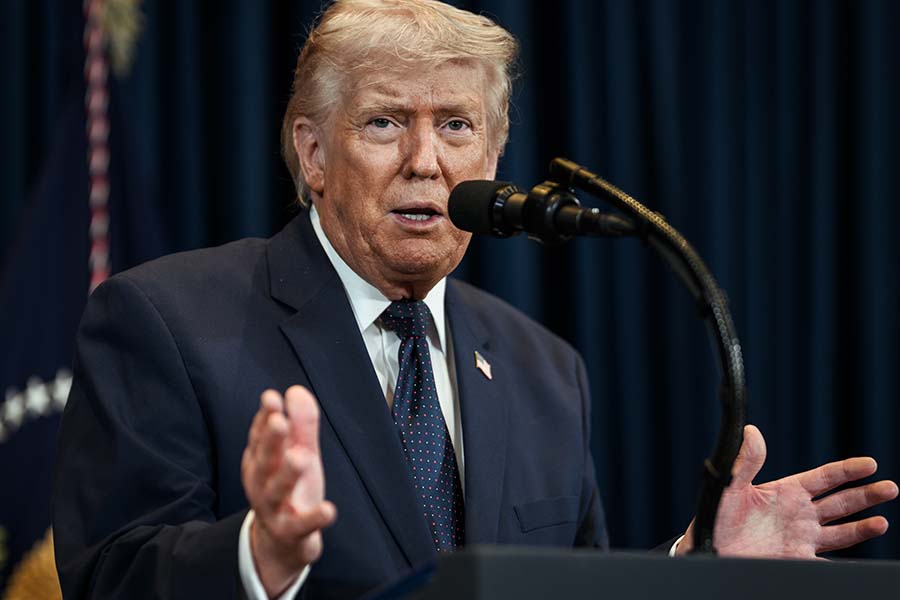
Mark Zaid, co-founder of Whistleblower Aid, said the language “would not create any new legal obligations for federal employees, nor limit any ability to lawfully whistleblow, which can include providing certain information to the media,” though he said he believes the broader aim is to discourage those disclosures.
“It would appear this new effort serves only the purpose of trying to induce fear and intimidate the workforce so as to stop unauthorized but lawful disclosures of information that has often resulted in negative publicity for the Administration,” Zaid said.
Everett Kelley, national president of the American Federation of Government Employees, said the union will oppose the proposal, calling it part of OPM’s continuing “efforts to silence federal employees.”
He said the agency’s claim that the form would be optional should be treated cautiously, adding that federal employees “do not surrender their First Amendment rights when they accept federal employment.”