USA
USA  United Kingdom

At the end of last week, Microsoft made a historic announcement – not the launch of a new groundbreaking system or tool, but the rollout of a one-off voluntary retirement program for the first time in its history.
Around 7% of the tech giant’s US workforce has been given the option to retire early. Only senior director-level staff and below are eligible, and must have a combined age and years of service totaling more than 70.
It marked yet another initiative in a long stream of tech companies across the US to downsize workforces.
While many of these have come in the form of cost-cutting redundancies, Microsoft’s move may be a sign that employers are increasingly willing to pull more levers to scale back their headcount, and – potentially – free up room for increased artificial intelligence spending.
Sweeping job cuts across tech
According to figures from Layoffs.fyi, an estimated 98 tech companies have laid off more than 92,000 workers in 2026. Nearly half of those came in March alone.
The figure already stands at three-quarters of the way to the total reached in 2025, and if cuts continue at their current pace, total layoffs for US tech employees could outstrip 2023 – the so-called ‘year of efficiency – when 264,320 roles were axed.
Turning workforce data into early warnings for high-cost employees
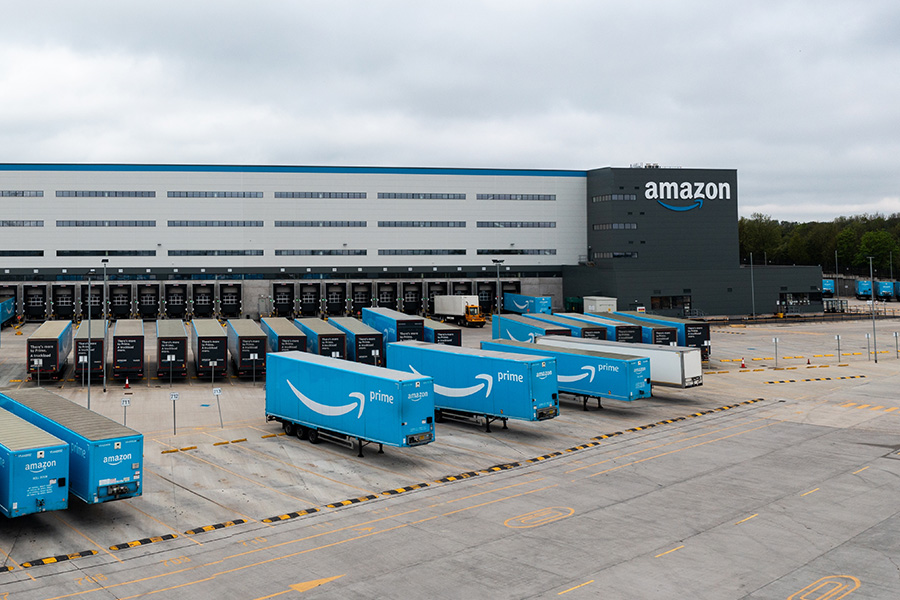
The likes of Meta, Snap, Oracle, Dell, Block, and Amazon have all shown thousands the exit door in recent months.
Several layoff announcements have included references to enhanced investment in AI.
Janelle Gale, Meta’s Chief People Officer, said of a further wave of nearly 8,000 job – roughly 10% of its entire workforce – would “offset the other investments we’re making.”
Others, including OpenAI CEO Sam Altman, have countered this by warning that some companies may be “AI washing” their layoffs – blaming the tech for cuts that were actually brought about by intense financial pressures and overhiring in recent years.
Low labor market confidence is creating additional strain, some experts have warned.
Daniel Zhao, Chief Economist at Glassdoor, told CNBC “Because natural attrition isn’t happening as much, companies are being more aggressive about pushing people out of the door.”
“Whether that means explicit layoffs or raising the bar for performance reviews, there’s a whole host of measures employers are taking to cut workforce costs,” he added.
Microsoft’s buyouts – will others follow?
Microsoft’s offer of voluntary retirement is a sign of how eager the world’s largest employers have become to shed staff, and the measures they are prepared to take to downsize (or rightsize) their workforce.
The company axed a total of 15,000 jobs in 2025, and is now taking an alternative approach.

A historic voluntary retirement buyout offer still eliminates jobs, but it incentivises long-serving staff to leave rather than subjecting a workforce to the painful process of layoffs.
“Our hope is that this program gives those eligible the choice to take that next step on their own terms, with generous company support,” wrote Microsoft Chief People Officer Amy Coleman, in a memo to employees on Thursday.
Those eligible for the offer will be notified on May 7.
Domenique Camacho Moran, Partner at Farrell Fritz, an employment law firm representing Fortune 500 companies and other large or middle market businesses, told Fortune that she is observing voluntary separation as an increasingly common trend.
“The voluntary exit option gives the employer the ability to say, ‘it’s not about the fact that we don’t think you’re doing a good job, but if you’re thinking about it’s time for me to move on. I’m going to incentivize you to do that because we need to cut some staff,’” she explained.
Moran noted that with AI and financial pressures pushing businesses to downsize, buyouts may continue growing in popularity.
“What they’re [Microsoft] trying to do is make sure that they work more leanly and efficiently,” the lawyer added. “They have figured out that the people they have are the people who are doing jobs they need, maybe at prices that are too high.”
With no sign of planned job cuts slowing, voluntary buyouts – retirement-based or otherwise – may well become an increasingly popular tool that employers across big tech and beyond use to reshape their workforce.