USA
USA  United Kingdom
Are you a “tough boss”? Do you work for one?
Does your manager eschew prioritizing a ‘people first’ approach to workplace wellbeing in favor of dealing with so-called ‘real world’ problems? And is that a problem in itself?
The debate around the so-called “tough boss” is resurfacing in HR circles, driven by a mix of economic pressure, workforce expectations, and the growing influence of AI.
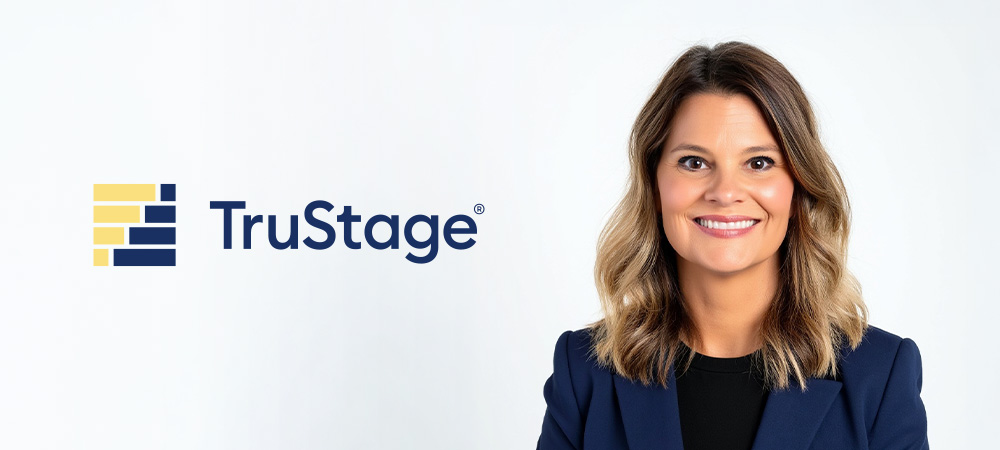
Linda Nedelcoff, EVP, Corporate Strategy and Human Resources Officer at insurance and financial services firm TruStage, says the conversation is less about choosing one leadership style over another and more about understanding why the tension exists in the first place.
“I think I would probably lean maybe all of the above. And sometimes when I'm going through and evaluating where we’re at with things, it doesn't become visible to put a name or a description to it until you read something. I read an article a couple of weeks ago, and the article referenced some research that indicated that the majority of the time, managers make decisions that benefit the employee but may not benefit the organization because they're trying to balance this empathy. For me, it becomes a curiosity. We've been through a lot of organizational and environmental things that have happened, obviously, the pandemic was a big inflection point in the world and in corporate America.”
You can have expectations. You can have accountability. You can have structure without bureaucracy, but you can also be a people first organization
The pandemic, labor market shifts, and what Nedelcoff describes as a “velocity of change” have forced organizations to reconsider how leadership shows up day to day, she says. The result in some cases has been a perceived swing back toward tougher leadership. Yet Nedelcoff believes that framing it as a binary choice misses the point.
“I'm trying to help us to understand it can be both. You can have expectations. You can have accountability. You can have structure without bureaucracy, but you can also be a people first organization.”
Tough boss vs people-first leadership
The pressure driving this shift is rooted in performance demands, customer expectations, and the need to adapt quickly to new technologies.
“I think the perception around the ‘tough boss’ might be the fact that things are changing so drastically. Obviously, AI is very vibrant in our organization and our need to consider the elements around AI. But I think the broader economy, the expectations that our customers have of us, the changing dynamic, requires us to be more adaptable, more agile, more mindful. I think those pieces are pushing us to ensure that we're delivering performance so that we can make sure that we're delivering on the needs of our customers.”
“That dynamic velocity of change that's happening is forcing organizations to say, listen, we can't just lean into the people expectations of our workforce. We have to make sure that we're balancing the customer expectations along with remembering that there's humans on the other side of the work.”
That balancing act is becoming a central leadership challenge at the moment. It is not just about tone or personality but also structure.
Being ‘people first’ for us means we invest in the communities that we live and work, and we encourage our employees to invest in them as well
“I think it really does for me have to go back to each organization's culture. We want to make sure that we're clear on what outcomes are. We want to create the opportunity for people to lean into their competencies and capabilities to determine how to get to those outcomes. So that distinction and clarity in outcomes is a direct tie to performance. But then there's this notion of knowing our people.
“Being ‘people first’ for us means we invest in the communities that we live and work, and we encourage our employees to invest in them as well. We take time to recognize the accomplishments. We're transparent and open about communications. We ensure that people understand the changes that are happening, the decisions that we're making, and we're clear about them.”

Leadership clarity, structure and accountability
If the “tough boss” is reappearing, Nedelcoff suggests it may be less about intent and more about execution. Leadership gaps, unclear expectations, and late communication can all create the perception of toughness.
“I often wonder sometimes by the time you have to be a tough boss, it’s because you are delivering the outcome and the expectations late. I'm always a big believer of early communication, early reconciliation, early understanding.”
“We have a mantra in our team that if you bring something to me early, it’s ours to solve. If you bring it to me late, it becomes more of yours to solve because we worked ourselves into a corner.”
That emphasis on clarity extends into how organizations design work itself. Structure, in this case, is not the enemy, but incorrectly applied structure is.
“If structure is designed to be ‘control’ versus ‘enablement’, then I think it becomes overly bureaucratic. It is not as inclusive of the organization's thoughts and mindsets. If we are so structured around how something happens, it doesn't give the clarity of the outcome. It’s more structured on the process, not the outcome. I think that's where organizations can miss the window.
“If you're clear on the outcome and we have governance, we might actually come out with a better outcome because somebody has the ability to determine how they're going to get there. It allows for people getting there in different ways and different skill sets and competencies.”
Traditional models built around rigid job structures are being tested.
“I think from the HR world standpoint, it has us thinking a lot about jobs. Our HR infrastructure is built off of a very rigid structure. I think it's forcing us to make sure that we don't get so limited in how we describe work that it doesn't allow for that growth development and that evolution that happens.
“You can lose engagement from employees because they don't feel personal accountability. Leaders that can help to illustrate where we're going and also to support employees when they try something and it doesn't work. That's a cultural transformation that we're in the middle of.”
They are trying to find that balance between being an empathetic people oriented leader with also driving results and ensuring accountability
The shift is also playing out in how leaders themselves are developed and supported.
“I think it's a leadership journey. And like any kind of leadership expectation, we have to help our leaders grow,, and evolve, and learn. If leaders have not had mentors in the past, or they’ve not had those experiences, it’s our job to make sure that we’re providing clarity around what good leadership looks like.
Turning workforce data into early warnings for high-cost employees
“Leaders’ roles are not getting easier in organizations. They are trying to find that balance between being an empathetic people oriented leader with also driving results and ensuring accountability.”
Nedelcoff believes that leadership development has no ‘finish line’ and that poor leaders are the result of a lack of individual management coaching.
“I always wonder how much time our leaders are actually investing in their own growth and development and learning. Leaders can get caught up in the day-to-day and go weeks and months without really investing in the skills needed.”
Bosses that feel pressured to make tough decisions and make choices that sacrifice other aspects of a ‘people first’ approach, even though it may be an organisation’s stated aim, may simply lack the structural backing to make more nuanced choices. They may not necessarily be acting tough out of choice.
“I've worked for leaders that have had really high expectations, says Nedelcoff. “Because of that, I performed better under them. But they saw me as a human on the other side. I understood the expectations and I was motivated to achieve them based upon how they were leading me.
“I think people in general do want to know what they're being held accountable to and they want to deliver to it.”