USA
USA  United Kingdom
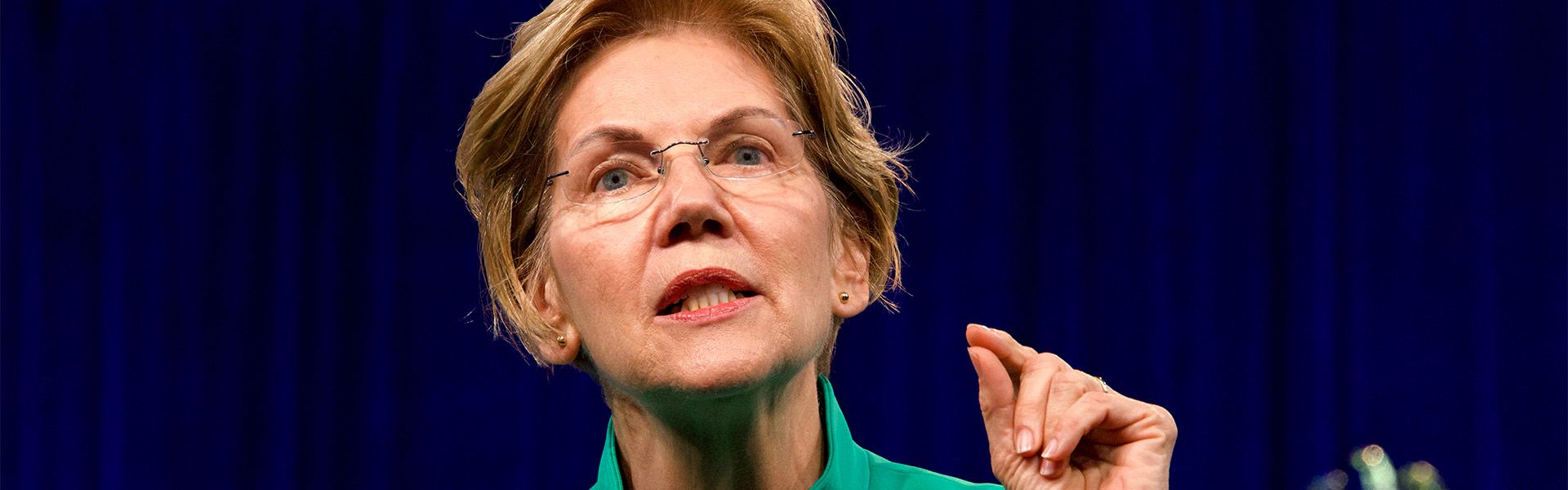
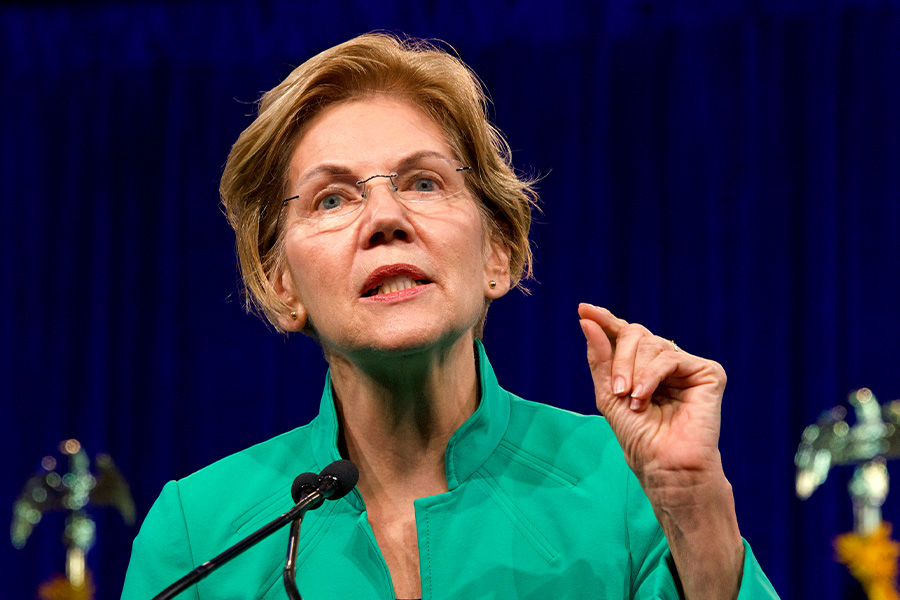
Democratic Senator Elizabeth Warren is grilling several major employers, including Amazon, Target, and UPS, about their recent spate of layoffs, putting pressure on them to justify their HR strategy and be more transparent around the reasons for the job losses.
In letters sent Sunday to the executives of Microsoft, Amazon, Home Depot, Meta, Nike, Verizon, Target, and UPS, Warren asked the companies to detail by March 30 how much of a tax cut they received in 2025 following President Trump's One Big Beautiful Bill Act, whether they anticipated any tariff refunds, and whether they made any contributions to Trump's projects, among other queries.
Combined, the companies account for tens of thousands of lost positions in the past several months.
The scale of those cuts is landing in a labor market that offers limited room for maneuver. While the overall layoff rate remains near historically low levels, any worker cast out of a job right now has to contend with one of the most strained labor markets in years, thanks to few new jobs being added, few workers quitting their current positions, and fierce competition for entry-level jobs even among experienced professionals.
Due to current economic conditions, "newly laid off workers could be forced to take lower-paying jobs - if they are able to find employment at all," Warren wrote.
Warren questioned why the companies laid off workers even after last summer's sweeping tax law bestowed new benefits for corporations.
Corporate rationale under pressure
The political scrutiny is colliding with sharply different corporate explanations for workforce cuts. Companies' rationales for layoffs vary, with some citing productivity gains from AI while analysts point to corporate bloat, and others say they just want to become more efficient.
Meta, for example, "paid an effective federal income tax rate of just over 3.5 percent in 2025, the lowest it has recorded since the company went public as Facebook in 2012," Matt Gardner at the Institute on Taxation and Economic Policy wrote in an analysis last month.
And Reuters reports that Meta is considering laying off up to 20% of its workforce. Which Meta dismissed as "speculative".
"The sequence of events behind these layoffs - which come after your company enjoyed huge tax breaks from President Trump's tax law and earned record profits last year - raises questions about the rationale for the job cuts, and whether they represent another example of unchecked corporate greed emboldened by the Trump administration," Warren wrote to Meta CEO Mark Zuckerberg.
A Meta spokesperson told Yahoo Finance that Warren's letter was "based on speculative reporting about theoretical approaches."
Amazon, which announced layoffs of 16,000 workers in January, pointed to efforts to reduce bureaucracy. Cuts at UPS, which will affect 30,000 positions this year, come amid plans to reduce Amazon deliveries.
Implications for HR leaders
The convergence of tax policy, workforce reductions, and labor market pressure is tightening expectations around how layoffs are justified and communicated.That scrutiny is not happening in isolation. Combined, the companies account for tens of thousands of lost positions in the past several months.
Economists and analysts are questioning whether automation is truly responsible for many workforce reductions, as many companies insist it is, claiming the technology is allowing companies to operate with fewer employees.
In recent months, executives have described restructuring decisions as efficiency gains linked to digital transformation. Some observers, however, believe the explanation reflects branding strategy as much as operational change.
“You can say, ‘We are integrating the newest technology into our business processes, so we are very much a technological frontrunner, and we have to let go of these people,’” said Fabian Stephany, a departmental research lecturer at the Oxford Internet Institute in the Guardian.
In 2025, AI was cited as a reason for more than 54,000 layoffs, according to a December report from consulting firm Challenger, Gray & Christmas.