USA
USA  United Kingdom
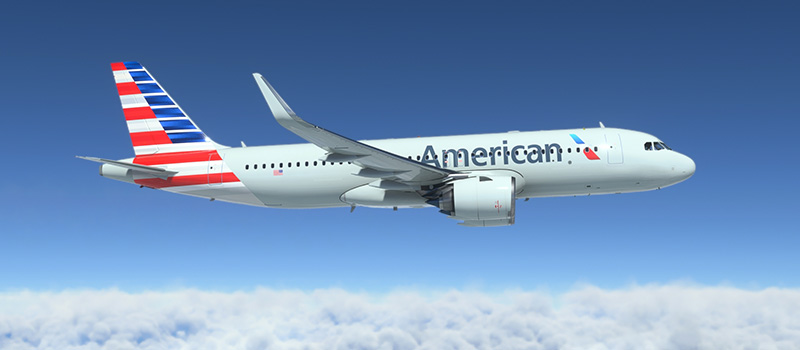
Union leaders representing pilots and flight attendants at American Airlines are calling for the removal of chief executive Robert Isom, citing financial weakness, operational disruption, and declining passenger satisfaction.
Directors of the union representing 28,000 flight attendants issued a vote of no confidence in Isom on Monday, while employees staged a protest outside the airline’s headquarters in Fort Worth, calling for new leadership and what they described as a “credible turnaround strategy.”
Employee frustration has been building after months of internal concern about the airline’s direction and performance.
Financial performance draws scrutiny
The airline’s financial results have become a central point of criticism. Net profit totaled $111million last year, representing an 87% decline compared with the previous year and significantly trailing the roughly $5billion reported by competitor Delta Air Lines, according to reporting by CNBC.
Economic uncertainty also contributed by reducing travel demand, while last fall’s government shutdown added further pressure.
American said in a statement that improving performance remains a priority.
“Reclaiming American’s reputation as the world’s premium global airline is our mission, and we are relentless in that pursuit,” the company said. “The foundation is set, and the plan is in place for us to deliver for our customers, shareholders and each other and we will do that as one team.”
Operational disruption earlier this year intensified scrutiny. American canceled about 10,000 flights during Winter Storm Fern, more than any other carrier, although key hubs in Charlotte, Dallas, and Philadelphia were heavily affected by the storm.
Customer satisfaction concerns
Labor groups argue that the airline’s challenges extend beyond short term disruption. The Wall Street Journal airline rankings published last month placed American near the bottom across performance categories including on time arrivals, canceled flights, lengthy tarmac delays, and mishandled baggage.
Data from the US Department of Transportation showed about 73% of American flights arrived on time during the first 11 months of 2025, ranking eighth among 10 major airlines.
The Association of Professional Flight Attendants cited a May survey by J.D. Power that ranked the airline last in customer satisfaction among first and business class passengers.
Union leadership said flight attendants witness persistent operational problems firsthand.
Every day, flight attendants see that “eroding service standards, chaotic operational meltdowns, and a brand hemorrhaging customer trust have become the norm under Isom’s leadership,” the union’s board of directors said.
A separate union representing 16,000 pilots told the airline’s board in a recent letter that American is on an “underperforming path” marked by “persistent patterns of operational, cultural, and strategic shortcomings.”
Strategy focused on recovery
Isom, who became CEO in 2022 after serving as president and chief operating officer, has outlined a strategy centered on improving customer experience and operational reliability.
American is expanding premium seating on long haul flights, rolling out faster Wi Fi, and investing in airport lounges, including one opened last year in Philadelphia.
The airline is also restructuring its schedule at Dallas Fort Worth International Airport, its largest hub.

“Our strategy to deliver on American’s revenue potential centers on four key areas: delivering a consistent, elevated customer experience; maximizing the power of our network and fleet; building partnerships that deepen loyalty and lifetime value; and continuing to advance our sales, distribution, and revenue management efforts,” Isom said during an earnings call.
“While this has been a multi-year effort, 2026 will be the year these efforts start to bear fruit,” he said.
American remains a major economic presence in Philadelphia, where it handles about 70% of the nearly 29 million passengers traveling through Philadelphia International Airport annually and employs roughly 10,000 people locally. Smaller competitor Frontier Airlines carried 3.6 million passengers there.
Union leaders say meaningful improvement will determine whether employee confidence in leadership can be restored.