USA
USA  United Kingdom
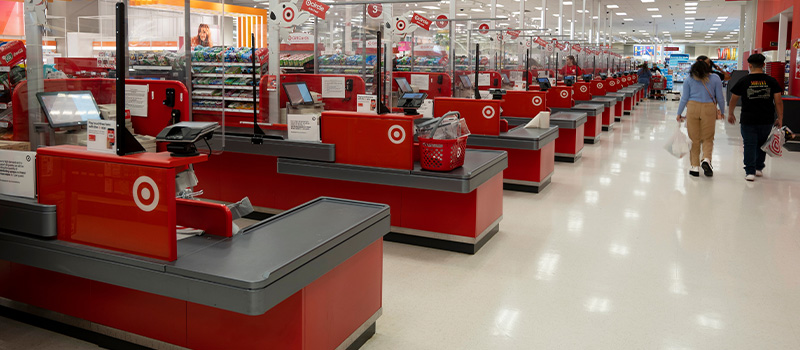
Target is increasing in-store staffing while reducing roles across its supply chain and regional offices as the retailer attempts to improve customer experience following complaints about store conditions and service levels.
The strategy is somewhat against the direction of travel of many customer-facing organizations that are investing heavily in automated processses and cutting frontline roles. Instead, Target is redirecting payroll toward store employees.
CNBC reported that an internal email sent to employees Monday explained the company’s decision to shift labor resources toward stores.
Customer experience concerns drive strategy
Shoppers have complained about out-of-stock merchandise, long checkout lines, and disorganized shelves, prompting the retailer to refocus on frontline staffing.

The company plans to eliminate about 500 roles across regional offices and supply chain operations as part of the change.
"This change also fuels our ability to put significantly more payroll in our stores - primarily in additional labor and hours where needed most, but also in new guest experience training for every team member at every store," an email from Adrienne Costanzo, Target's chief stores officer, and Gretchen McCarthy, the chief supply chain and logistics officer, said.
The email did not specify how many employees will be added to stores nationwide. Starting pay for store roles will range between $15 and $24 per hour depending on location.
Leadership transition and business pressure
The workforce shift marks the first major operational move under new CEO Michael Fiddelke, who took up the role at the beginning of Feburary, after previously serving as chief financial officer and chief operating officer.
Fiddelke takes over after a period of stagnant performance. Target sales have remained flat for four years, while both customers and vendors have criticized the retailer for declining customer service and less distinctive merchandise.
Last October, the company cut 1,800 corporate jobs, representing 8% of its corporate workforce.
"Too many layers and overlapping work have slowed decisions, making it harder to bring ideas to life," Fiddelke said at the time.
Economic conditions have added further pressure. Customers have increasingly prioritized essential purchases such as groceries and gasoline while reducing discretionary spending and impulse purchases, affecting retail performance.