USA
USA  United Kingdom

Hobbyist site Pinterest, has dismissed two US-based engineers after determining that their side-hustle of tracking recent layoffs at the firm breached company policy by accessing confidential internal data.
The terminations followed an internal investigation into custom software scripts created by the employees, which were used to identify the names and locations of workers who had lost their jobs. Pinterest confirmed the action after reports emerged detailing how the information was gathered and shared internally.
The company recently announced workforce reductions affecting about 15% of employees, equating to roughly 700 roles. Chief executive Bill Ready told staff the cuts were part of a move to “double down on an AI-forward approach,” according to excerpts of an internal memo shared publicly by an employee.

Pinterest did not disclose which teams or functions were impacted by the layoffs. That lack of detail appeared to prompt the actions taken by the engineers, who sought clarity by monitoring changes within internal communication systems.
Internal data access breach
A Pinterest spokesperson said the two engineers “wrote custom scripts improperly accessing confidential company information to identify the locations and names of all dismissed employees and then shared it more broadly.”
“This was a clear violation of Pinterest policy and of their former colleagues’ privacy,” they added.
Scripts are pieces of computer code designed to automate tasks or extract information from existing systems. In this case, the scripts targeted internal tools used for employee communication, according to a person familiar with the firings.
The scripts reportedly generated alerts when employee accounts were removed or deactivated from systems similar to the team messaging platform Slack. That activity offered insight into which workers were no longer employed by the company.
Pinterest has not publicly identified the two engineers involved, and they have not commented on the matter.
Why HR still struggles to reach Deskless Employees
Frontline employees often have the greatest need for HR support—but the least access to it. The reason is simple: most HR systems were designed for desk-based employees.
If you're investing in HR digital transformation, it's essential to ensure that every employee—whether office-based, hybrid, or deskless—has equal access to HR services, information, and support.
This guide explores the key considerations for building a consistent, accessible, and connected HR service experience for your entire workforce.
You'll learn how to:
✅ Deliver consistent HR support across every location
✅ Reduce repetitive HR requests
✅ Improve self-service adoption
✅ Connect email, mobile, AI and employee portals
✅ Create a better employee experience for frontline workers
Layoffs and employee surveillance
Monitoring internal tools for disappearing colleagues has become a common informal practice during layoffs across the technology sector, and as companies limit transparency around workforce reductions, employees often rely on external sites to understand the scope and direction of job cuts.
Pinterest’s decision to act decisively against the engineers reflects growing sensitivity around employee data governance, particularly during periods of restructuring.
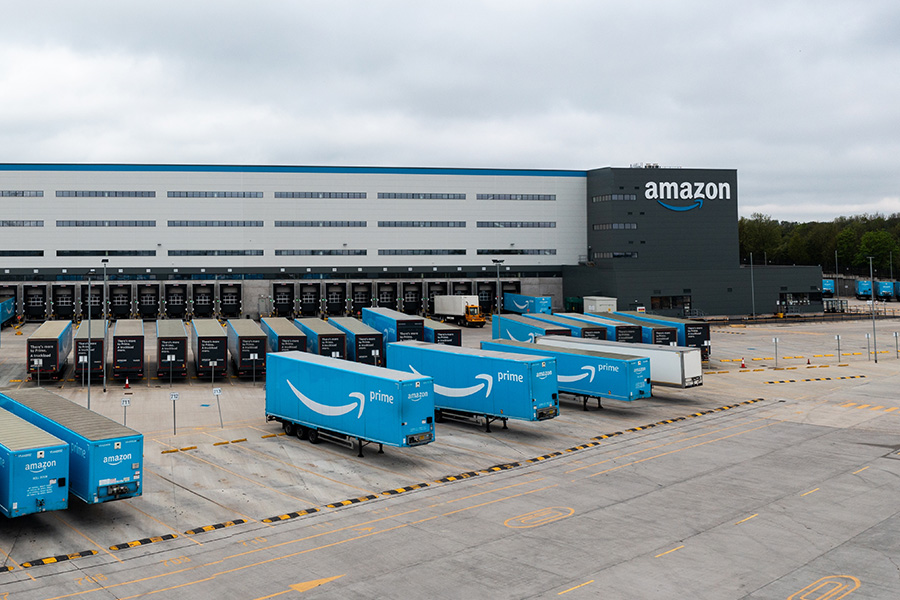
The dismissals come amid sustained job losses across the technology industry. In the same week Pinterest confirmed its layoffs, Amazon announced the elimination of 16,000 roles, marking its second round of redundancies in three months.
Earlier this year, Meta also cut several hundred jobs. Google and Microsoft have likewise made significant workforce reductions in recent years.
Across the global technology sector, an estimated 700,000 employees have been laid off over the past four years, according to Layoffs.fyi, which tracks publicly reported job cuts.