USA
USA  United Kingdom
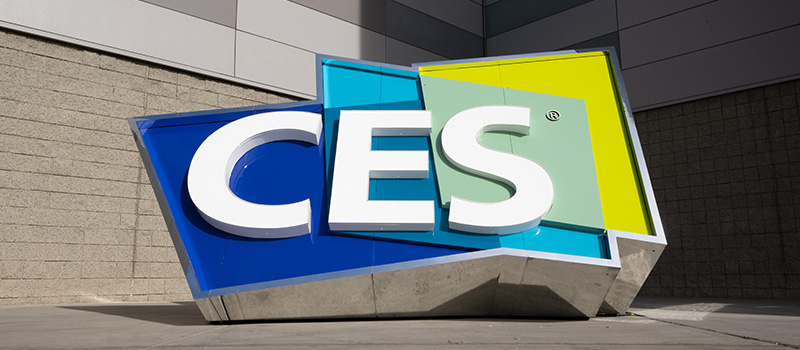
Futurist and tech writer Bernard Marr came away from CES, the world's largest consumer electronics expo, with a number of bold predictions about the role technology will play in the future of work
While many visitors arrived at the Las Vegas show expecting TVs, gaming rigs and connected appliances, they left with a preview of human-machine collaboration and shifting workforce expectations. Marr identified four workplace trends emerging from the annual technology showcase.
While CES functions primarily as a platform for home, entertainment and lifestyle technologies, the event also hints at how offices, factories and field work will change as AI systems automate routine tasks and influence decision-making inside employers.
From execution to decisions
According to Marr, AI was the clear star of CES 2026 and he says smart systems are increasingly taking on the doing, leaving humans to focus on deciding. Robots demoed in Las Vegas folded laundry, climbed stairs and managed smart home ecosystems while AI assistants predicted user needs. That consumer functionality will find workplace equivalents as companies deploy automation in both knowledge work and operations.
He predicts that workers will spend more time prioritizing automation initiatives and less time carrying them out.
"Increasingly, our value isn’t measured by how much work we can do, but by how good we are at identifying opportunities and orchestrating autonomous solutions," he wrote.
Beyond desks and screens
Voice interfaces, smart glasses and environment-aware devices were abundant as evidence that computing is breaking free from fixed screens. If consumers adopt hands-free, AI-powered devices as default, employers face similar transitions in hybrid, remote and field environments.
"Hands-free, environment-aware interfaces are driving new user experiences in consumer technology," he said. "And this paradigm shift will inevitably be reflected in the way we work, too, as we adapt to new models of hybrid, remote and in-the-field working."
Wellbeing as workforce strategy
Health and wellbeing technology was also prominent. Devices at CES ranged from menstrual health products to youth smart beds with built-in concierge support. The futurist framed this as proactive, always-on wellness that predicts physical and emotional needs. Translating that into work implies new expectations around employee mental health, stress monitoring and workplace support systems.
"This reflects a maturing in the health tech field, as devices move towards proactive, always-on monitoring and predictive wellness," said Marr. "This fast-moving trend suggests technology supporting us in our working lives will adapt to meet the same demands. In 2026, we can expect the focus not only to be on monitoring our performance or productivity in the workplace, but also on supporting mental and physical wellbeing.
Why HR still struggles to reach Deskless Employees
Frontline employees often have the greatest need for HR support—but the least access to it. The reason is simple: most HR systems were designed for desk-based employees.
If you're investing in HR digital transformation, it's essential to ensure that every employee—whether office-based, hybrid, or deskless—has equal access to HR services, information, and support.
This guide explores the key considerations for building a consistent, accessible, and connected HR service experience for your entire workforce.
You'll learn how to:
✅ Deliver consistent HR support across every location
✅ Reduce repetitive HR requests
✅ Improve self-service adoption
✅ Connect email, mobile, AI and employee portals
✅ Create a better employee experience for frontline workers
Human skills as differentiators
The show featured humanoid robotics, self-driving vehicles and holographic interfaces, but Marr argued that communication, collaboration, empathy and abstraction remain uniquely human and will differentiate workers who can navigate ambiguity and synthesize ideas into strategy.
"It won’t be necessary to master every new technological tool and process to prosper in the brave new AI-driven future," he said. "Developing the ability to understand and anticipate change, and the agility to adapt to new opportunities and ways of working, will be just as important, if not more so."
Outlook for employers
Taken together, the predictions form a view of the future of work where technology is ubiquitous but not dominant and the ability to anticipate shifts and adapt with agility will be just as important as technical know how For HR it means embedding future-ready thinking in talent strategy, workforce design and leadership development.