USA
 United Kingdom


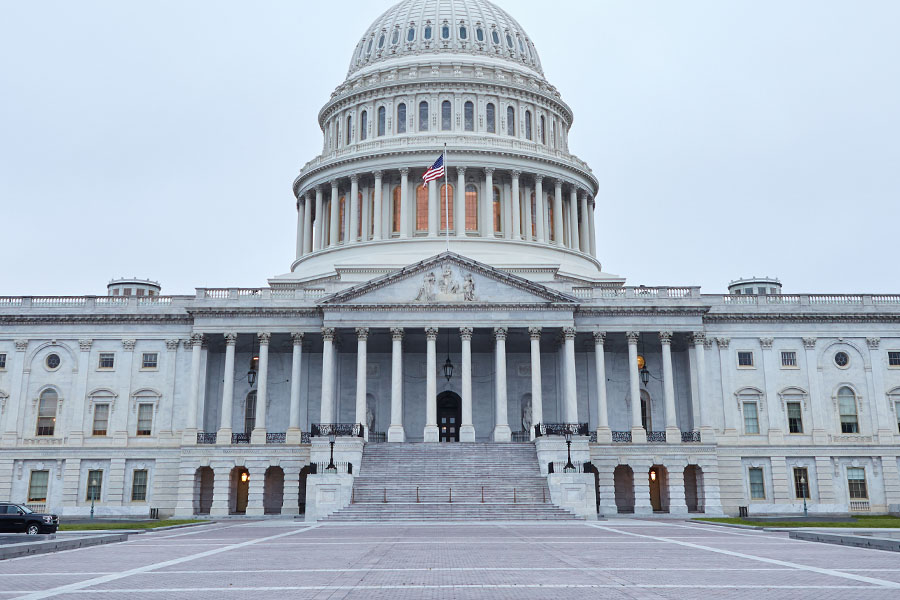
Federal Emergency Management Agency supervisors are warning employees to prepare for the elimination of about 1,000 jobs this month.
The expected dismissals are tied to workforce changes overseen by Kristi Noem, the secretary of the Department of Homeland Security.
The cuts would affect FEMA’s Cadre of On-Call Response/Recovery Employees, known as CORE staff, who are contractual workers that typically serve two or four-year terms that are set to expire this month. CORE employees support disaster recovery and emergency preparedness nationwide and have historically represented nearly 40% of FEMA’s workforce.
Three FEMA employees, including senior officials and supervisors who were not authorized to speak publicly, confirmed the guidance to staff. A FEMA spokesperson did not immediately respond to requests for comment.
Workforce planning and CORE roles
Concerns inside the agency extend beyond the immediate dismissals. A FEMA workforce planning document reviewed by The New York Times and first reported by The Washington Post, outlined potential cuts of more than 11,500 positions from a workforce of roughly 23,000.

A FEMA spokesman, described the document as “a routine, pre-decisional workforce planning exercise,” adding that there was no “percentage-based work force reduction plan.”
Emails reviewed by the NYT indicate that, as of the end of 2025, FEMA officials would no longer be able to renew CORE employment without approval from the homeland security secretary. A required renewal form includes a section for a signature from the secretary’s office.
FEMA added that CORE positions are “term-limited positions that are designed to fluctuate based on disaster activity, operational need, and available funding.”
Disaster readiness and staffing levels
The prospect of further job losses has heightened unease among FEMA staff. Federal law enacted after Hurricane Katrina in 2005 restricts the homeland security secretary from significantly reducing FEMA’s ability to carry out its mission of disaster preparedness, response, and recovery.
Although the 2025 US hurricane season was relatively quiet, recovery efforts from events such as the Los Angeles fires last January and Hurricane Helene in 2024 are ongoing. FEMA resources, employees said, are reaching communities more slowly or are being denied.
Staffing levels have already declined sharply. Daily operational briefings show FEMA’s workforce is now more than 20% smaller than a year ago, at about 23,000 employees, down from nearly 29,000.
“You cannot gut the agency responsible for disaster response and expect it to function at its best when the next hurricane, wildfire or flood hits,” said Rafael Lemaitre, a former FEMA official who now serves on the advisory council of Sabotaging Our Safety.
Why HR still struggles to reach Deskless Employees
Frontline employees often have the greatest need for HR support—but the least access to it. The reason is simple: most HR systems were designed for desk-based employees.
If you're investing in HR digital transformation, it's essential to ensure that every employee—whether office-based, hybrid, or deskless—has equal access to HR services, information, and support.
This guide explores the key considerations for building a consistent, accessible, and connected HR service experience for your entire workforce.
You'll learn how to:
✅ Deliver consistent HR support across every location
✅ Reduce repetitive HR requests
✅ Improve self-service adoption
✅ Connect email, mobile, AI and employee portals
✅ Create a better employee experience for frontline workers
Flexibility versus capacity
CORE employees accounted for 39% of FEMA’s workforce in 2022, according to the Government Accountability Office. Ernest Abbott, a professorial lecturer in law at George Washington University and former FEMA general counsel, said CORE roles give the agency flexibility.
“The whole point was to have an agency that had flexibility and could ramp up and down with events,” Abbott said.
Donald Trump and Noem have said they want to shift more responsibility and costs for disaster response from FEMA to states. But even some Republicans question whether staffing cuts support that goal. A draft Senate spending bill would block FEMA from cutting staff critical to disaster aid delivery and review.
Dominik Lett of the Cato Institute said job cuts could make FEMA leaner but may not reduce state reliance on the agency. Michael Coen Jr., a former FEMA chief of staff, warned that reduced staffing could delay aid until a major disaster exposes gaps.
“Maybe it will take a disaster,” Coen said. “That might be the tipping point when more people speak up.”