USA
USA  United Kingdom
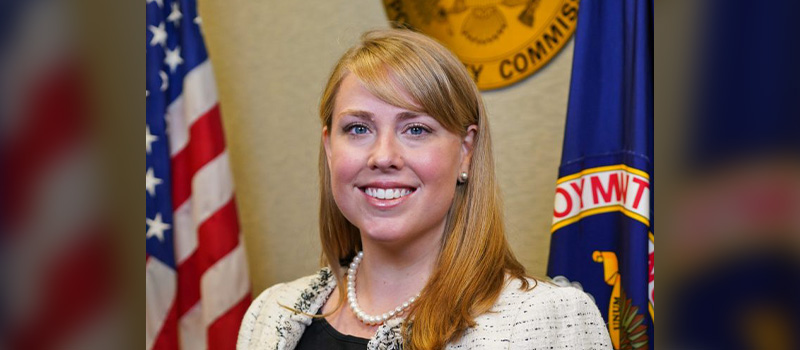
The Chair of the US Equal Employment Opportunity Commission has publicly called on white men to report workplace discrimination, part of the Trump administration's war on DEI, and a sharp shift in the agency’s enforcement tone on diversity related practices.
Andrea Lucas, the EEOC’s chair, made the appeal in a social media post Wednesday, urging white male workers who believe they experienced discrimination based on race or sex to contact the agency.
“Are you a white male who has experienced discrimination at work based on your race or sex? You may have a claim to recover money under federal civil rights laws,” Lucas wrote in a post on X, which included a video of herself and a link to the agency’s fact sheet on “DEI related discrimination.”
The post, viewed millions of times, encouraged eligible workers to reach out to the agency “as soon as possible.”
EEOC leadership signals enforcement shift
Lucas’ comments followed a post by Vice President JD Vance earlier that evening, in which he shared an article he said “describes the evil of DEI and its consequences.” Lucas replied directly, writing: “Absolutely right @JDVance. And precisely because this widespread, systemic, unlawful discrimination primarily harmed white men, elites didn’t just turn a blind eye; they celebrated it. Absolutely unacceptable; unlawful; immoral.”
She added that the EEOC “won’t rest until this discrimination is eliminated.”
A representative for Vance did not respond to a request for comment.

Growth | The key to scaling HR with your company
Lucas said Thursday evening that “the gaslighting surrounding what DEI initiatives have entailed in practice ends now,” adding that “we can’t attack and remedy a problem if we refuse to call it out for what it is - race or sex discrimination - or acknowledge who is harmed.”
She said the agency’s doors remain open to all workers and that Title VII of the Civil Rights Act of 1964 “protects everyone, including white men.”
Since becoming acting chair in January, Lucas has sought to redirect the agency’s focus toward what she has described as unlawful DEI-motivated race and sex discrimination, aligning with executive orders issued by Donald Trump, who named her as chair in November.
DEI guidance draws criticism
Earlier this year, the EEOC and the Department of Justice released two technical assistance documents outlining what may constitute DEI related discrimination at work. The guidance warned that training programs, employee resource groups, and fellowships could violate Title VII depending on how they are structured.
Former commissioners criticized the documents as misleading.
David Glasgow, Executive Director of the Meltzer Center for Diversity, Inclusion, and Belonging at NYU School of Law, said the posts reflect a “fundamental misunderstanding of what DEI is.”
“It’s really much more about creating a culture in which you get the most out of everyone,” Glasgow said.
The center tracks 57 workplace discrimination cases affecting DEI practices. Glasgow said he has not seen “any kind of systematic evidence that white men are being discriminated against.”
Jenny Yang, a former EEOC chair, said singling out one demographic group for enforcement attention is “unusual” and “problematic.”
“It suggests some sort of priority treatment,” Yang said. “That’s not something that sounds to me like equal opportunity for all.”