USA
USA  United Kingdom

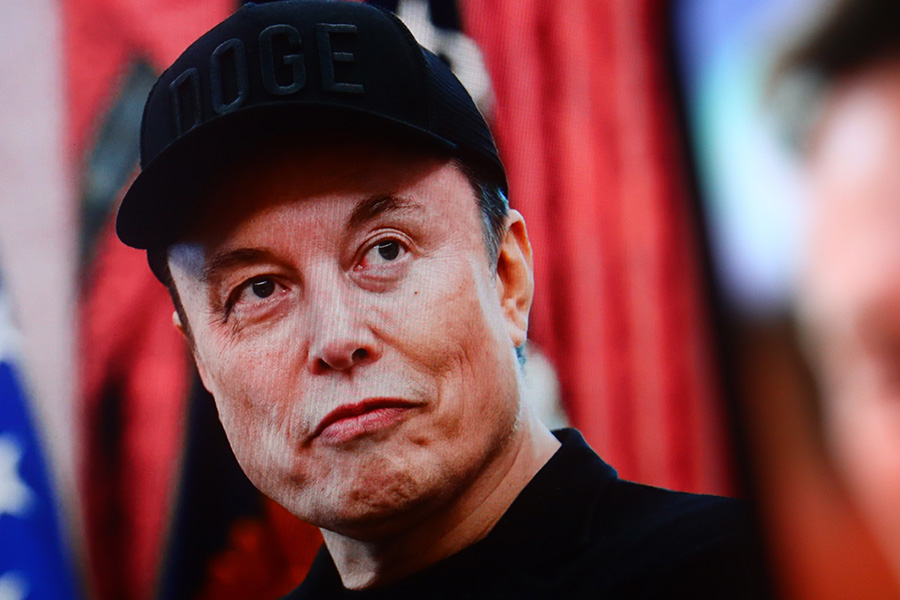
The federal government’s controversial push to streamline operations has ended abruptly, with senior officials confirming that the 'Department of Government Efficiency,' or DOGE, has been quietly mothballed.
The quiet dissolution arrives eight months ahead of its scheduled end date and leaves government workers assessing what remains of a workforce-reduction program that reshaped agencies across the country.
OPM Director Scott Kupor recently dismissed any suggestion that DOGE was still functioning, telling Reuters, “That doesn’t exist,” and clarifying that it was no longer a “centralized entity.” His comments effectively confirmed what many inside agencies had suspected for months.

Federal workforce cuts fueled uncertainty
The initiative launched on day one of Donald Trump’s presidency, framed as a large-scale intervention designed to redesign federal structures. Elon Musk and Vivek Ramaswamy were appointed to lead the work, with the mandate running through July 2026. Musk defended the project earlier in the year, insisting, “We are actually trying to be as transparent as possible,” and adding, “I don’t know of a case where an organization has been more transparent than the DOGE organization.”
DOGE’s footprint inside agencies was significant, marked by thousands of job losses and aggressive spending reductions. More than 200,000 federal employees were laid off and some 75,000 accepted buyouts. The department claimed major financial savings, though experts were unable to validate those figures because no public accounting was provided.
By June, questions intensified when Politico reported that DOGE staff had “packed up their clothes and bedding” at headquarters, where they had been sleeping since February. The departures took place amid a high-profile feud between Trump and Musk.
Concerns grew among DOGE insiders that the job cuts they executed could lead to future legal scrutiny. One employee told Politico, “Now, if somebody from DOGE, or representing themselves from DOGE, asked me to do something, I wouldn’t just blindly do it.”
Why HR still struggles to reach Deskless Employees
Frontline employees often have the greatest need for HR support—but the least access to it. The reason is simple: most HR systems were designed for desk-based employees.
If you're investing in HR digital transformation, it's essential to ensure that every employee—whether office-based, hybrid, or deskless—has equal access to HR services, information, and support.
This guide explores the key considerations for building a consistent, accessible, and connected HR service experience for your entire workforce.
You'll learn how to:
✅ Deliver consistent HR support across every location
✅ Reduce repetitive HR requests
✅ Improve self-service adoption
✅ Connect email, mobile, AI and employee portals
✅ Create a better employee experience for frontline workers
OPM steps into the void
Recently disclosed documents show OPM inheriting many of DOGE’s responsibilities as part of a broader attempt to stabilize operations. Trump has repeatedly referred to the department in the past tense, and Musk left Washington in May, amid much bitterness, signaling a likely conclusion to the effort.
Key DOGE figures have already migrated into new federal posts. Amy Gleason became an advisor to Health and Human Services Secretary Robert F Kennedy Jr.; Zachary Terrell moved to the Department of Health as Chief Technology Officer; Rachel Riley now leads the Office of Naval Research.
One of more prominent departures, was that of Joe Gebbia, formerly of Airbnb, who was reassigned to redesign government websites and has since launched platforms to recruit law enforcement officers in Washington DC and highlight federal drug pricing initiatives.
With DOGE gone, agencies now look to OPM for continuity, compliance, and oversight as they rebuild HR functions affected by the rapid cuts.