USA
USA  United Kingdom
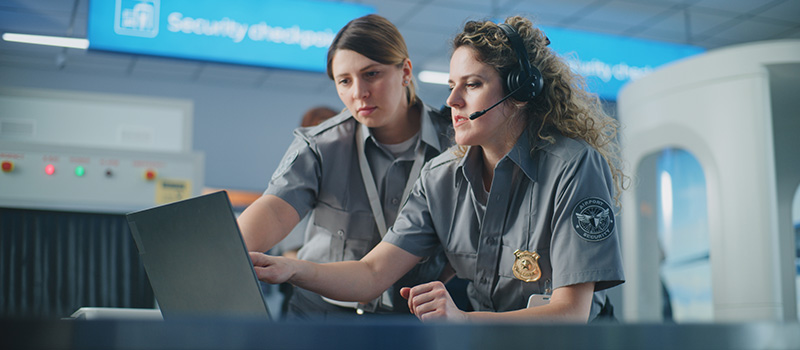
A Virginia-based Transportation Security Administration (TSA) officer has filed a federal lawsuit accusing the Department of Homeland Security (DHS) of unlawful discrimination under a newly implemented screening policy.
The report on Fox News says Danielle Mittereder, a transgender woman employed at Dulles International Airport, is arguing that the TSA’s revised pat-down rules violate civil rights protections. The policy prohibits transgender officers from performing physical screenings on passengers of the same gender identity, limiting them instead by biological sex.
A TSA spokesperson confirmed the rule change, stating that “male Transportation Security Officers will conduct pat-down procedures on male passengers and female Transportation Security Officers will conduct pat-down procedures on female passengers, based on operational needs.” The policy applies regardless of an officer’s gender identity or transition status.

Policy change follows presidential order
The agency said the new rule was introduced to align with an executive order from the Trump administration titled Defending Women From Gender Ideology Extremism and Restoring Biological Truth to the Federal Government. The order directs federal agencies to recognize only two sexes - male and female - defined by biological sex at conception.
Until February, TSA work assignments had been determined by gender identity under a 2021 management directive. Internal documents obtained by the Associated Press also indicate that transgender officers can no longer serve as official witnesses during private screening procedures.
Mittereder’s complaint alleges that the new restrictions prevent transgender officers from performing key responsibilities, advancing to higher-level roles, or earning specialized certifications. “Solely because she is transgender, TSA now prohibits plaintiff from conducting core functions of her job, impedes her advancement to higher-level positions and specialized certifications, excludes her from TSA-controlled facilities and subjects her identity to unwanted and undue scrutiny each workday,” the filing states.
Why HR still struggles to reach Deskless Employees
Frontline employees often have the greatest need for HR support—but the least access to it. The reason is simple: most HR systems were designed for desk-based employees.
If you're investing in HR digital transformation, it's essential to ensure that every employee—whether office-based, hybrid, or deskless—has equal access to HR services, information, and support.
This guide explores the key considerations for building a consistent, accessible, and connected HR service experience for your entire workforce.
You'll learn how to:
✅ Deliver consistent HR support across every location
✅ Reduce repetitive HR requests
✅ Improve self-service adoption
✅ Connect email, mobile, AI and employee portals
✅ Create a better employee experience for frontline workers
DHS defends policy amid legal challenge
Mittereder’s attorney, Jonathan Puth, called the new rules “terribly demeaning and 100% illegal,” arguing that the agency is violating established workplace protections.
A DHS spokesperson rejected claims of discrimination, saying the policy protects travelers’ comfort and safety and overtly expressing disdain for transgender people. “Does the AP want female travelers to be subjected to pat-downs by male TSA officers?” spokesperson Tricia McLaughlin wrote in a statement, adding, “What a useless and fundamentally dangerous idea, to prioritize mental delusion over the comfort and safety of American travelers.”
The case marks one of the first legal challenges to arise from the administration’s broader rollback of gender identity policies in federal employment.