USA
USA  United Kingdom
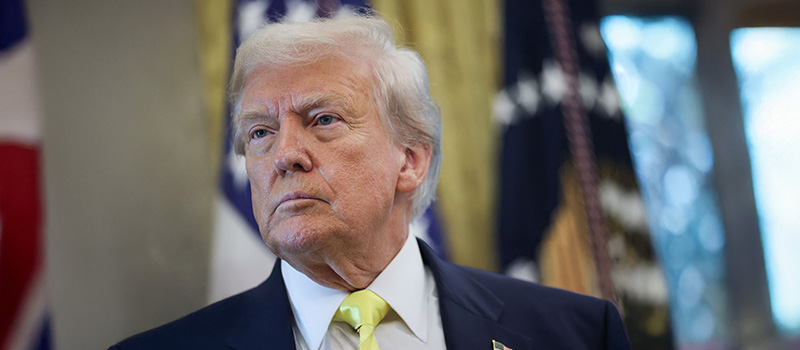
DEI critic Andrea Lucas has been named chair of the US Equal Employment Opportunity Commission (EEOC), finalizing a leadership transition that has stirred widespread debate over how the agency will enforce federal workplace civil rights laws.
Lucas was originally nominated to the Commission in 2020 during Donald Trump’s first administration and was confirmed in July for a second five-year term, divinding opinion among lawmakers, advocacy groups, and employment attorneys.
“I’m honored to be designated Chair of the EEOC,” Lucas said in a statement. “Under the Trump Administration, the Commission has made significant progress advancing its core mission to uphold our nation’s civil rights laws and protect American workers through consistent, effective enforcement. As Chair, I remain committed to enforcing the law evenhandedly, advancing equal opportunity, and upholding merit-based, colorblind equality in America’s workplaces.”
Two Democratic commissioners were removed earlier this year, clearing the way for Trump to shift the Commission’s balance. The recent confirmation of Brittany Panuccio gave the agency a Republican majority, enabling Lucas to move forward with an agenda aligned with the administration.

Shift toward religious rights cases
Under Lucas’s leadership, the EEOC has taken on more cases involving religious accommodation. One example is a charge filed against Mayo Clinic involving a security guard who sought religious exemption from a mandatory COVID-19 vaccination policy.
The Commission has also scaled back actions on behalf of transgender workers and has increased scrutiny of complaints related to gender identity. Complaints based on disparate impact have received less attention, reflecting a change from the approach of the prior administration.
Employment lawyer Scott Kelly advised organizations to evaluate their diversity, equity and inclusion programs carefully while maintaining compliance. “The devil would be in the details there,” he said. “I like to remind my clients that we need to lean into the law and look at what precedent is out there that would govern the particular situation that they’re coming to me for advice on.” He noted that DEI programs are not automatically unlawful, though implementation matters.
Why HR still struggles to reach Deskless Employees
Frontline employees often have the greatest need for HR support—but the least access to it. The reason is simple: most HR systems were designed for desk-based employees.
If you're investing in HR digital transformation, it's essential to ensure that every employee—whether office-based, hybrid, or deskless—has equal access to HR services, information, and support.
This guide explores the key considerations for building a consistent, accessible, and connected HR service experience for your entire workforce.
You'll learn how to:
✅ Deliver consistent HR support across every location
✅ Reduce repetitive HR requests
✅ Improve self-service adoption
✅ Connect email, mobile, AI and employee portals
✅ Create a better employee experience for frontline workers
Critics raise alarm over DEI rollback
The appointment has prompted advocacy groups to warn that the shift could weaken workplace protections. Lauren Khouri of the National Women’s Law Center described Lucas as a “Trump loyalist” who has “abandoned workers at every turn.” Khouri said her organization will continue legal efforts to challenge the agency’s handling of discrimination complaints involving transgender workers.
Conservative legal advocates have welcomed Lucas’s leadership. Dan Lennington of the Wisconsin Institute for Law & Liberty called her “a champion of equality and race-neutrality” and said the EEOC could help “extinguish race-conscious policies, like DEI, from the private sector.”