USA
USA  United Kingdom

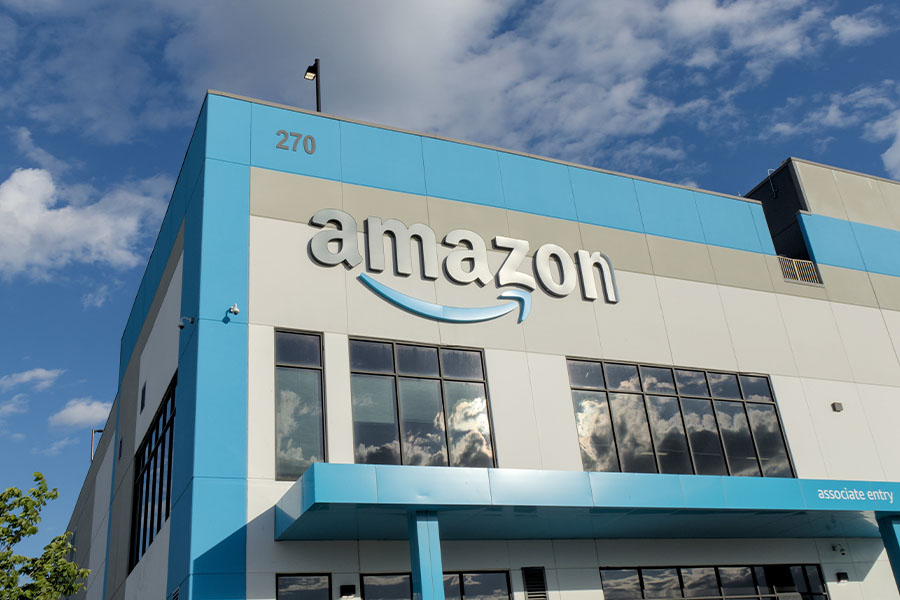
Amazon’s reduction of 14,000 corporate roles likely reflects a strategic “talent remix,” reallocating resources to high-priority business areas, rather than directly resulting from AI-driven productivity gains, says Gartner.
The research firm argues that most layoffs in 2025 are unrelated to AI, highlighting the need for CHROs to focus on process-level work redesign, strategic investment planning, and transparent communication to optimize talent and business outcomes.
This week, Amazon announced a reduction in its corporate workforce of approximately 14,000 roles. According to Reuters, the Wall Street Journal and others, further cuts may come, potentially totalling up to 30,000 corporate roles out of a total corporate staff of approximately 350,000.
Amazon’s SVP of People Experience and Technology, Beth Galetti, told Amazon employees that the reductions are aimed at “reducing bureaucracy, removing layers, and shifting resources to ensure we’re investing in our biggest bets.”
News reports were quick to attribute the cuts to AI-related productivity gains, however, Gartner said the cuts seem more aligned with a strategic shift to ensure Amazon invests where talent can create more value. The firm said that while it monitors increasing talent remix activities in the context of AI transformation, most staffing shifts appear to be a byproduct of freeing up capital for investments, not a direct consequence of AI replacing human roles.
Gartner: Four in five layoffs unrelated to AI
“While highly publicized, AI-driven layoffs are not representative; nearly four in five layoffs in the first half of 2025 were entirely unrelated to AI,” Gartner said. “AI is not yet ready to replace the large majority of jobs. In fact, less than 1% of job cuts in the first half of this year were a direct result of AI productivity gains. Additionally, 17% of job losses in the first half of the year were due to cutting jobs in one part of the business to free up capacity and invest in AI-related growth areas.”

The report advises that “talent remixes risk lowering quality if the work has not been redesigned sufficiently. To avoid this trap, CHROs should consider more nuanced talent strategies related to AI, including restraining hiring and "repositioning headcount.”
“To redesign how work gets done with AI, organizations must redesign at the process level, not for individuals,” Gartner said. “CHROs can facilitate design workshops and cross-functional ‘ideathons’ for critical processes to help leaders think through how to get the most significant impact from their AI investments.”
The report prompts HR leaders to prioritize “close partnerships with CIOs to build a work redesign strategy.”
It also warned that “AI-driven mass layoffs risk heavily draining talent and leadership pipelines," advizing that HR should help leaders plan how work will change and anticipate talent implications as AI takes on more work.
Rethinking workforce communication and cost strategies
It also sounds a note of caution that cost-saving initiatives can “often achieve the opposite.” While cost cuts, including layoffs, might meet short-term goals, “they frequently backfire over the long term.”
According to its data, “65% of organizations have engaged in multiple rounds of cost cutting in recent years, but only 11% managed to sustain their cost reductions into a third year.”
Why HR still struggles to reach Deskless Employees
Frontline employees often have the greatest need for HR support—but the least access to it. The reason is simple: most HR systems were designed for desk-based employees.
If you're investing in HR digital transformation, it's essential to ensure that every employee—whether office-based, hybrid, or deskless—has equal access to HR services, information, and support.
This guide explores the key considerations for building a consistent, accessible, and connected HR service experience for your entire workforce.
You'll learn how to:
✅ Deliver consistent HR support across every location
✅ Reduce repetitive HR requests
✅ Improve self-service adoption
✅ Connect email, mobile, AI and employee portals
✅ Create a better employee experience for frontline workers
The firms that balance savings with efficiency in service delivery are the ones that “achieve both their cost targets and sustain growth.”
“Cost savings should start with investment planning,” Gartner advised. “Companies that identify areas that will help drive differentiating capabilities and focus on investing in these will create more precise and reliable cost-saving plans.”
The report highlighted Gartner’s Headcount Optimization Framework, which “guides how aligning talent strategies and business objectives can enhance organizational resilience and competitiveness.”
“News about AI-related layoffs increases fear of job loss across industries, risking negative impacts on engagement and productivity,” Gartner warned.
“Being clear about what your organization is trying to achieve with AI shows respect for your workforce, compassion for their anxieties and clarity about the near-term future.”
The firm advised that communication about workforce plans “should happen well before the point of activation.”
Employees demanding answers
In the current climate, “employees can see the impact of AI and economic uncertainty on their jobs and are looking to leaders for answers.” Transparency, it said, “is the foundation for employee engagement and performance.”
The report concludes by saying that optimizing costs can improve both talent and business outcomes.
“Measures predominantly cutting investments in people, such as workforce reductions, had the most adverse effects on talent outcomes,” it said. “If measures focused on reducing products and services instead, they had a positive impact on individuals as well as on business outcomes.”