USA
USA  United Kingdom

Meta has confirmed it will cut about 600 roles within its artificial intelligence division as the company reshapes its structure and shifts resources toward its Superintelligence Labs.
The layoffs, disclosed in a memo from Chief AI Officer Alexandr Wang, are part of Meta’s ongoing effort to reduce layers and improve efficiency across its growing AI portfolio.
The job reductions place Meta among a growing list of major tech firms cutting staff as the sector adapts to an AI-driven shift in priorities. Many companies that expanded rapidly during the pandemic have since scaled back, redirecting investment from general workforce growth to specialized AI development. The wave of restructuring highlights how artificial intelligence, while driving new innovation, is simultaneously reshaping employment across the tech industry.
Shift toward Superintelligence Labs
Employees affected by the layoffs worked across Meta’s AI infrastructure groups, the Fundamental Artificial Intelligence Research (FAIR) team, and product-related positions. Those in TBD Labs, which includes many hires recently brought into the company, and houses some of its highest-profile AI recruits, were not impacted.
Sources said CEO Mark Zuckerberg’s confidence in his recent hires contributed to the decision to preserve TBD Labs staff while reducing legacy positions. Within Meta, some viewed the AI unit as oversized, with FAIR and product teams frequently competing for computing resources.
The reorganization follows the creation of Meta Superintelligence Labs, led by Wang and former GitHub CEO Nat Friedman. The group, formed after Meta’s $14.3billion investment in Scale AI, absorbed much of the existing AI infrastructure and is now considered the company’s main engine for advanced research.
Following the layoffs, Meta’s Superintelligence Labs workforce stands at just under 3,000 employees.
Severance details and restructuring goals
Impacted employees were told their official termination date is November 21, though they will remain on “non-working notice period” until then. During that time, they retain the opportunity to apply for other internal roles but lose system access immediately.
Affected staff will receive 16 weeks of severance pay, plus two additional weeks for every full year of service, minus their notice period, according to a company message viewed by CNBC.
Why HR still struggles to reach Deskless Employees
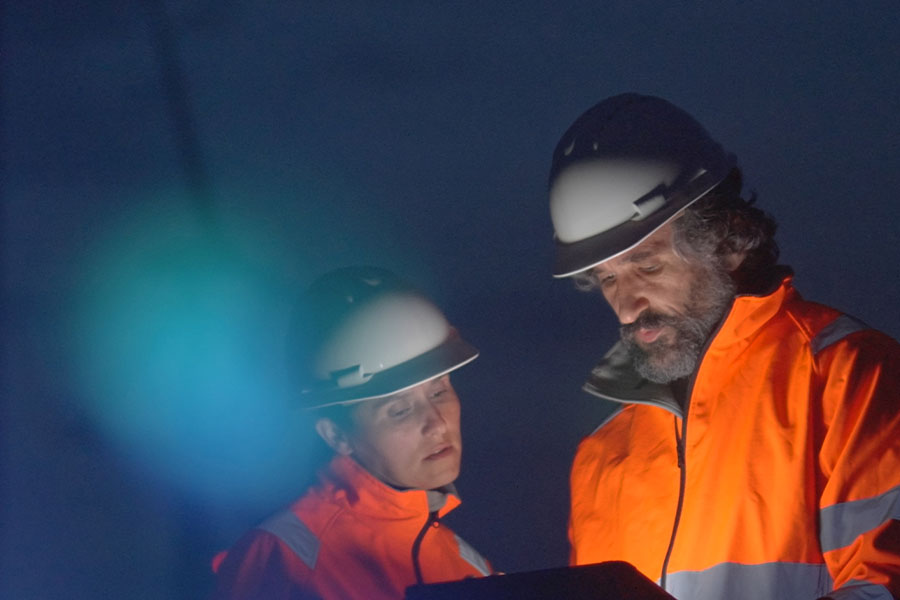
Frontline employees often have the greatest need for HR support—but the least access to it. The reason is simple: most HR systems were designed for desk-based employees.
If you're investing in HR digital transformation, it's essential to ensure that every employee—whether office-based, hybrid, or deskless—has equal access to HR services, information, and support.
This guide explores the key considerations for building a consistent, accessible, and connected HR service experience for your entire workforce.
You'll learn how to:
✅ Deliver consistent HR support across every location
✅ Reduce repetitive HR requests
✅ Improve self-service adoption
✅ Connect email, mobile, AI and employee portals
✅ Create a better employee experience for frontline workers
Zuckerberg’s dissatisfaction with Meta’s AI progress has reportedly grown, especially after the tepid reception of its Llama 4 models in April. The new leadership under Wang is intended to accelerate innovation and reposition Meta as a major AI competitor to OpenAI and Google.
Meta said during its July earnings call that total expenses for 2025 are projected to range between $114 billion and $118 billion, with AI initiatives driving higher spending through 2026.
On Tuesday, the firm announced a $27 billion partnership with Blue Owl Capital to develop its massive Hyperion data center in Louisiana, which Zuckerberg described as large enough to cover a “significant part of the footprint of Manhattan.”