USA
USA  United Kingdom

In a corporate world dominated by AI and digital platforms, a trend is growing among leaders, who have turned to a simpler method of building workplace culture by giving out handwritten notes of gratitude.
Chris Tomasso, CEO of First Watch, the $1 billion breakfast and lunch brand, handwrites monthly congratulations to cooks, servers, and dishwashers reaching long-service milestones. With a workforce of more than 15,000, he has written over 500 notes since becoming CEO in 2018.
“I just love people that pick their lane, they love it, and they don’t want to do anything else,” Tomasso told Fortune. “They want to be the best dishwasher they can, and so I want to thank and reward loyalty, longevity, [and] the contributions that they make to the company.”
From Hard Rock to handwritten culture
Tomasso traces his approach back to his twenties, when he received a handwritten thank-you from the CEO of Hard Rock Café. He still keeps it. The experience convinced him that recognition doesn’t need to be elaborate to be meaningful.
“I tried to minimize the [CEO] title as best I can when I’m interacting with people,” he said. “I eat lunch in the break room with everybody… it’s a shame that there’s that feeling.”
He believes leading with gratitude is central to creating a workplace where employees “feel appreciated and take care of the rest.”
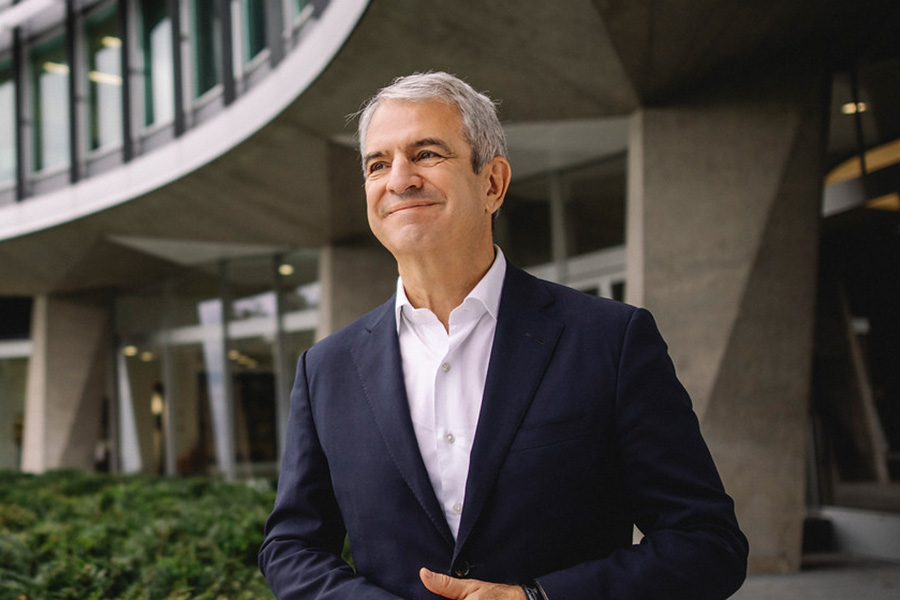
Other executives are one the same page. Geoffroy van Raemdonck, CEO of Neiman Marcus, once sent up to five handwritten thank-you notes a day. Though remote work has shifted some of those gestures to texts and calls, the sentiment remains. “It’s really important for me, the moment of ‘thank you’, because I know what it is to receive a thank-you, to be acknowledged,” he said.
Chevron CEO Mike Wirth also keeps the practice alive across the global energy company. “If a CEO had sent me a letter and actually knew what I was doing, it would have been a really big deal for me,” Wirth said on the How Leaders Lead podcast. “I want to make sure that people know that I appreciate them.”
Why HR still struggles to reach Deskless Employees
Frontline employees often have the greatest need for HR support—but the least access to it. The reason is simple: most HR systems were designed for desk-based employees.
If you're investing in HR digital transformation, it's essential to ensure that every employee—whether office-based, hybrid, or deskless—has equal access to HR services, information, and support.
This guide explores the key considerations for building a consistent, accessible, and connected HR service experience for your entire workforce.
You'll learn how to:
✅ Deliver consistent HR support across every location
✅ Reduce repetitive HR requests
✅ Improve self-service adoption
✅ Connect email, mobile, AI and employee portals
✅ Create a better employee experience for frontline workers
Younger leaders keep writing alive
The habit isn’t confined to older generations. OpenAI CEO Sam Altman still turns to paper when solving tough problems. “I think of writing as externalized thinking,” he said. “If I have a very hard problem… I have not found anything better to do than to sit down and make myself write it out.”
Even as AI transforms communication, leaders like Tomasso, van Raemdonck, Wirth, and Altman are proving that a handwritten note, or even a page of personal reflection, can make a connection with workers that boosts morale, productivity and wellbeing while increasing retention.