USA
USA  United Kingdom
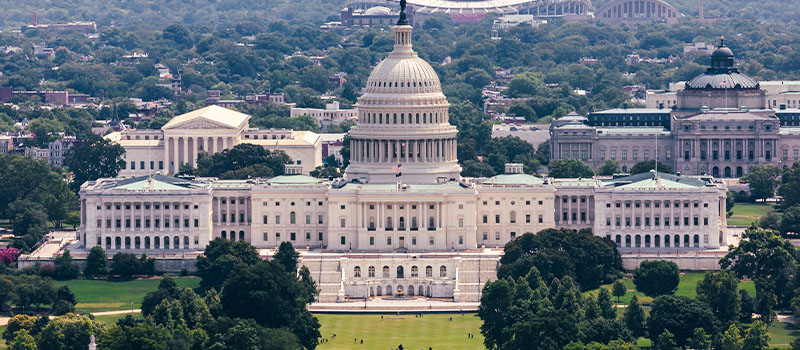
A surge in retirements and buyouts has left federal agencies scrambling to process paperwork and deliver benefits amid the Trump administration’s spending cuts and an ongoing government shutdown.
Roughly 154,000 federal employees accepted buyout offers and exited payrolls by the end of last month, while nearly 105,000 took regular retirement during the fiscal year ending September - an 18% rise from the previous year. Tens of thousands of cases remain pending, placing heavy strain on understaffed HR offices across government and the Office of Personnel Management (OPM).
With its own headcount down by about one-third from more than 3,000 employees in January, OPM faces a growing backlog and worsening processing times. The agency is currently handling more than 35,000 retirements, compared with 104,800 completed last fiscal year, up from 88,608 a year earlier.
OPM Director Scott Kupor said his agency is coordinating with other departments to streamline processing and temporarily reassign HR staff to help. “There is a big volume that’s coming in a short period of time,” he said. “We’re going to have to do everything we can to significantly improve efficiency.”
Shutdown disruption and HR overload
Although OPM’s retirement division remains designated as essential, the October 1 shutdown has furloughed some payroll and documentation staff, delaying annuity payments for departing workers. Internal emails from agencies such as the US International Development Finance Corporation warned employees to expect delays while HR operations pause.
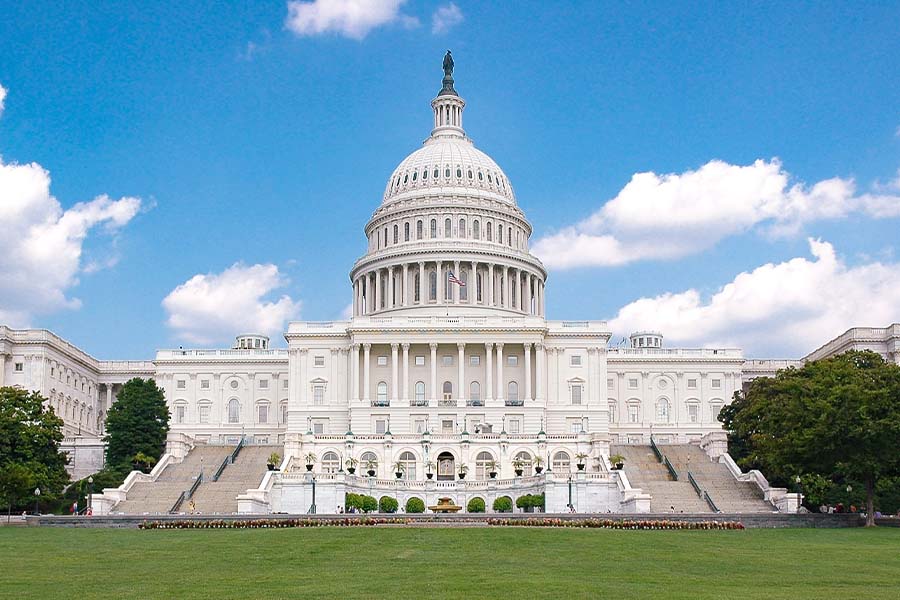
Similar strain has hit the National Institutes of Health and the General Services Administration, where retirements and layoffs have stalled. “HR was too overwhelmed to process their layoffs,” one employee said.
Digital transition amid staffing cuts
OPM has begun rolling out its Online Retirement Application, moving away from the paper-based system that has persisted for decades. But some workers found themselves restarting applications mid-process. Former OPM Director Rob Shriver said the transition requires more staffing and infrastructure than the agency currently has. “We heard real concerns from folks about when they would be getting their annuity,” he said.
Kupor said roughly 75% of retirees are now receiving interim payments while waiting for their claims to be finalized, up from 50%. Federal retirement spending has climbed 16% this year, according to Treasury data.
Inside OPM, employees describe a chaotic environment marked by vacant roles and gaps in institutional knowledge. “No strategic direction, no backups, big holes in institutional knowledge,” one staff member said.
Kupor maintained that his smaller team is “working more efficiently now at lower numbers of headcount.” But internal data show OPM’s retirement services arm is answering fewer than 15% of calls from retirees and their families.
Communication breakdown
Two former employees said it took months and repeated attempts to reach OPM for help. One former State Department worker said she was mistakenly fired before being reinstated: “I’m just so disappointed and disgusted with how it all went.” Another retiree said, “The first rep I talked with couldn’t answer any questions.”
With record departures still unfolding, HR officials warn that the real test of government efficiency may be yet to come.