 USA
USA  United Kingdom
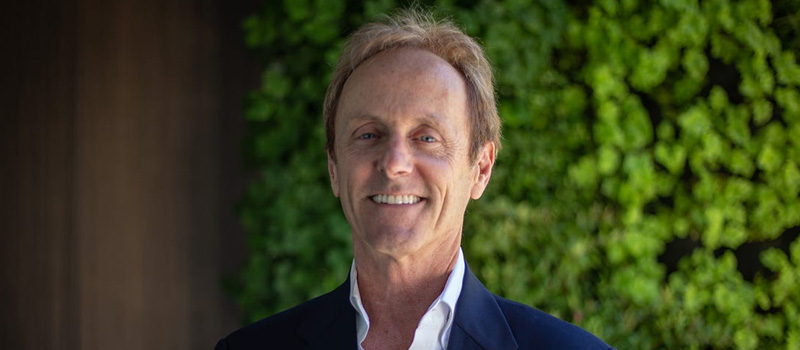
Artificial intelligence is rewriting the rules of work, says business expert Josh Bersin, who believes the technology’s rise is as transformative as the PC revolution of the 1980s.
Speaking on his own podcast he said: “In 1981, when IBM introduced the PC, it took computing out of the basement and put it into our hands. AI is doing exactly the same thing - only this time, it learns from us.”
Bersin compared today’s AI revolution to the dawn of software and digital careers, noting that billions of new jobs emerged as technology became personal. But unlike programmed machines, he said, “AI learns from our world, our language, and eventually our physical environment. We don’t program it — it learns.”
Super workers, stalled markets
According to Bersin, AI is already producing “super workers” - people who use machine intelligence to amplify human capability. Yet the benefits come with disruption. “There’s a massive amount of upheaval taking place,” he said. “It improves productivity, but it’s also freezing the job market.”

He cited data showing little net job creation in 2025, with US layoffs surpassing one million.
“College grads are struggling to find work,” he added, noting that many young professionals rely on generative tools like ChatGPT for daily tasks - even when starting out in new careers.
Despite the turbulence, Bersin believes new opportunities will emerge as organizations create roles aligned with AI. “Every time a company defines a new responsibility or job title, the job market changes,” he explained. “We can already see job skills shifting rapidly toward AI-centric roles.”
Managing the transition
Bersin said many HR leaders may recognize the scale of change but are unsure how to implement it. “They understand the technology challenge — what they struggle with is the organizational one,” he said.
He described the best leaders as “super managers” who encourage experimentation, support learning, and help teams prioritize AI investments. “The number one capability-building exercise is trying and using this stuff,” Bersin said.
While automation will continue to disrupt traditional roles, however, Bersin believes human creativity will remain central. “Machine intelligence may be fast and exhaustive,” he said, “but human intelligence is still far more vast and creative.”







Kevin Epley