USA
USA  United Kingdom
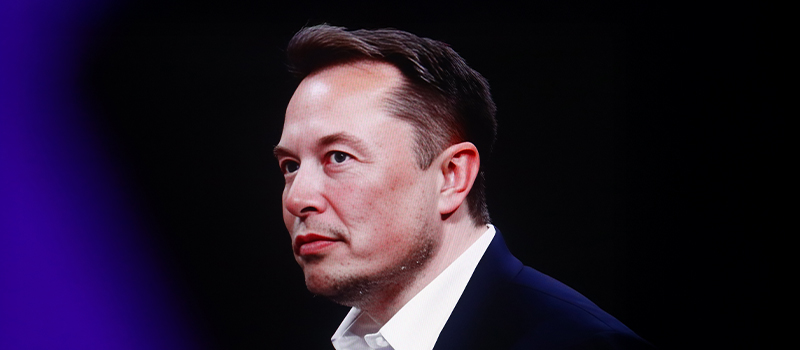
Elon Musk’s group of companies, including Tesla and xAI, has been hit by a wave of senior departures in sales, engineering, public policy and artificial intelligence amid reports of burnout, political unease and shifting investment priorities.
Tesla’s job cuts in April 2024 triggered exits among long-serving leaders. Daniel Ho, director of vehicle programs, departed for Waymo after Musk canceled the company’s low-cost EV project. Public policy leaders Rohan Patel and Hasan Nazar, along with power-train head Drew Baglino, also stepped down. Rebecca Tinucci, who ran Tesla’s supercharger division, joined Uber after Musk eliminated her team.
David Zhang, who led Model Y and Cybertruck rollouts, left during the summer. Chief Information Officer Nagesh Saldi departed in November. Vineet Mehta, a veteran of 18 years known for his battery expertise, resigned in April, followed by Optimus robotics head Milan Kovac and AI lead Ashish Kumar, who moved to Meta.
“Elon’s behavior is affecting morale, retention and recruitment,” said one long-serving lieutenant. “He went from a position from where people of all stripes liked him, to only a certain section.”
xAI churn intensifies
Turnover has been even sharper at xAI, Musk’s artificial intelligence start-up, which merged with X in March. General counsel Robert Keele left in August after 16 months, citing time away from his family, while chief financial officer Mike Liberatore exited after three months to join OpenAI, describing his schedule as “120+ hours per week.”
xAI co-founder Igor Babuschkin resigned weeks later to start his own AI safety project. Chief executive of X Linda Yaccarino also departed, citing frustration with Musk’s unilateral decisions.
Employees point to Musk’s fixation on rival Sam Altman as a source of pressure. “Elon’s got a chip on his shoulder from ChatGPT and is spending every waking moment trying to put Sam out of business,” said one former executive.
Why HR still struggles to reach Deskless Employees
Frontline employees often have the greatest need for HR support—but the least access to it. The reason is simple: most HR systems were designed for desk-based employees.
If you're investing in HR digital transformation, it's essential to ensure that every employee—whether office-based, hybrid, or deskless—has equal access to HR services, information, and support.
This guide explores the key considerations for building a consistent, accessible, and connected HR service experience for your entire workforce.
You'll learn how to:
✅ Deliver consistent HR support across every location
✅ Reduce repetitive HR requests
✅ Improve self-service adoption
✅ Connect email, mobile, AI and employee portals
✅ Create a better employee experience for frontline workers
Concerns have also been raised about Musk’s political activity, including support for Donald Trump and right-wing figures in Europe. “Nobody that I know there isn’t thinking about politics,” said a former Tesla employee.
Tesla chair Robyn Denholm defended the company’s talent pipeline. “There are always headlines about people leaving, but I don’t see the headlines about people joining. Our bench strength is outstanding,” she said.
Despite controversy, Musk continues to push ahead with AI development. At xAI, the Grok chatbot has sparked safety debates, while the company’s Ani bot has drawn criticism for sexually explicit interactions with teenage users.
One former Tesla executive summed up Musk’s style: “He does not have shades of grey, is highly calculated, and focused. That makes him hard to work with. But if you’re aligned with the end goal, and you can grin and bear it, it’s fine.”