USA
USA  United Kingdom
Amazon may soon be required to directly employ its delivery drivers in New York City under new legislation that aims to rein in the company’s reliance on sub-contractors.
If passed, the proposal, introduced by Council Member Tiffany Cabán, would end Amazon’s “Delivery Service Partners” system, where packages are dropped off by drivers employed through third-party companies. Critics say the set-up shields Amazon from responsibility while concentrating “last-mile” facilities in neighborhoods already burdened by pollution, congestion, and safety hazards.
The bill would also mandate driver safety training, make companies directly accountable for worker protections, and require delivery hubs to be licensed by the city. Enforcement would fall to the Department of Consumer and Worker Protection.
Support has come from labor and advocacy groups, including the Teamsters, the Amazon Labor Union, the National Employment Law Project, the Alliance for a Greater New York, and the Retail Workers Union.
“This legislation is going to remove the veil from these subcontractors and put the onus on Amazon as a corporation for protecting its workers,” said Theodore Moore, Executive Director of the Alliance for a Greater New York.
Safety and pollution in focus
Concerns about delivery facilities gained prominence during the mayor’s “City of Yes for Economic Opportunity” re-zoning, which highlighted the environmental and traffic impacts of last-mile hubs.
A separate proposal from Council Member Alexa Avilés would introduce an “indirect source rule” requiring large warehouses to cut emissions, though an environmental impact study must be completed before a vote. The Department of Environmental Protection said consultants are conducting research to begin the process this fall.
Cabán’s bill focuses on labor conditions. According to the US Government Accountability Office, warehouse and package delivery workers had the highest rate of serious injuries among private industries in 2022.
Why HR still struggles to reach Deskless Employees
Frontline employees often have the greatest need for HR support—but the least access to it. The reason is simple: most HR systems were designed for desk-based employees.
If you're investing in HR digital transformation, it's essential to ensure that every employee—whether office-based, hybrid, or deskless—has equal access to HR services, information, and support.
This guide explores the key considerations for building a consistent, accessible, and connected HR service experience for your entire workforce.
You'll learn how to:
✅ Deliver consistent HR support across every location
✅ Reduce repetitive HR requests
✅ Improve self-service adoption
✅ Connect email, mobile, AI and employee portals
✅ Create a better employee experience for frontline workers
Shifting responsibility to Amazon
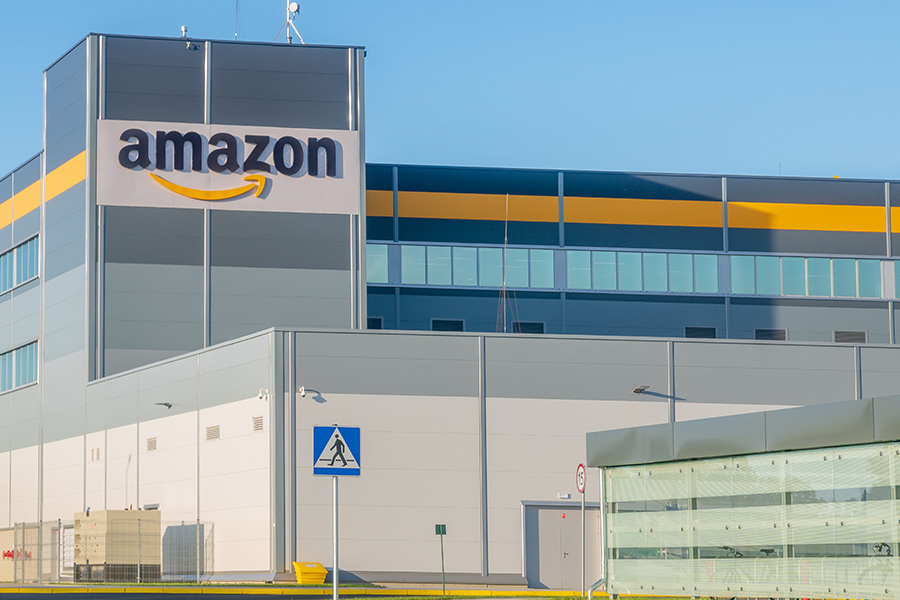
Amazon says it works with more than 4,400 DSPs nationwide, which it describes as independent organizations that employ their own drivers. Many of those facilities are branded with Amazon’s logo, leading critics to argue that the company exerts enough control to be considered a joint employer.
A National Employment Law Project report noted that Amazon directs routes, sets delivery targets, and communicates directly with drivers through an app. When DSPs unionize, the company has often cut ties and replaced them, limiting accountability.
Drivers have reported unsafe vans, crushing delivery quotas, and being forced to urinate in bottles to avoid delays. Advocates say the subcontractor model incentivizes reckless driving and illegal parking.
“You have these delivery drivers and warehouse staff that are pushed to meet impossible quotas, they work long hours for low pay, they suffer high rates of serious injuries. And because companies like Amazon hide behind fake shell companies and subcontractors they really dodge all responsibility for these unsafe conditions,” said Moore.
He added that consumer demand during events such as Black Friday or Prime Day pressures drivers to rush. “I think people need to know that there is a price to pay for convenience,” he said.