Share this article:

'No-shoes' policy | American workers cause a stink with barefoot office trend

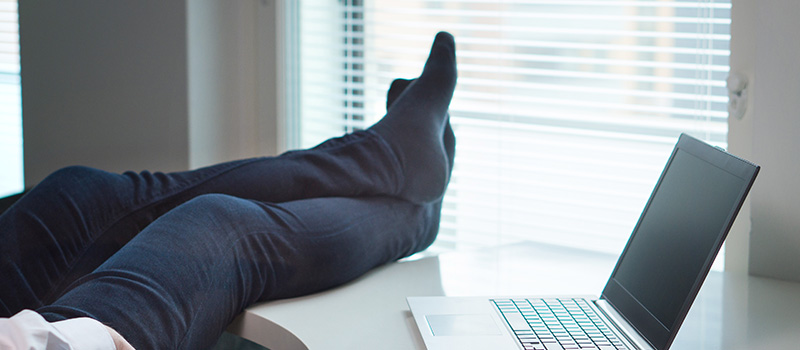
Relaxing at desk with laptop

A trend of workers going barefoot in the office has spread across Silicon Valley startups, sparking a debate as to whether shoeless workplaces could drive creativity or create conflict.

A report in Fortune spotlights Cursor, an AI coding company valued at nearly $10billion, as one of several firms adopting shoeless policies. Other examples include Speak, an AI language startup supported by OpenAI, Whop, a digital goods marketplace founded by Gen-Z entrepreneurs, and publishing platform Substack.

Cursor employee Ben Lang said he has “only worked at startups that have a no-shoes in office policy.” His viral post on X received more than a million views and sparked a flood of mixed reactions.

Culture shift or comfort risk?

Some commenters saw it as aspirational, one calling it a “bucket list” workplace. Others mocked the idea with sneezing emojis or worried about hygiene. Lang clarified that visitors receive shoe covers or slippers to avoid dirt being tracked inside.

Not everyone was convinced. One critic linked the trend to wider debates over office mandates, writing: “Returning to the office is bad enough? What in the actual f*** is this? Not that I am against this specific policy, but no thanks?”

Anita Williams Woolley, professor of organizational behavior at Carnegie Mellon University’s Tepper School of Business, suggested shoeless offices can encourage informality, comfort and creativity. She told Fortune: “Anxiety is reaching epidemic proportions,” and relaxed environments may strengthen cohesion and commitment among employees.

Generational preference or passing fad?

On Reddit, users clashed over the issue. “Please be mindful that your feet probably smell worse than you realize,” one said. Another took a more relaxed view: “People can do whatever they want with their feet here … I’m a photographer … people walking around barefoot … go for it.”

The policy’s appeal may connect with Gen-Z workers shaped by pandemic-era home working, less concerned with formal norms and more attuned to culture-driven perks.

For traditional workplaces, shoeless policies might be harder to imagine. Many leaders still favor rigid dress codes, with ties and tailored attire considered essential.

Yet advocates say softer perks could send signals of flexibility and openness. Introducing shoeless days alongside casual Fridays may demonstrate willingness to adapt and create friendlier, more creative workplaces. Some believe it might even attract talent by reflecting company culture during recruitment.

Be the first to comment.

Sign up for a FREE myGrapevine account to have your say.

Share this article:

You are currently previewing this article.Create account

This is the last preview available to you for the next 30 days.

To receive our daily newsletter and access HR features & insights, create a free account today.