USA
USA  United Kingdom
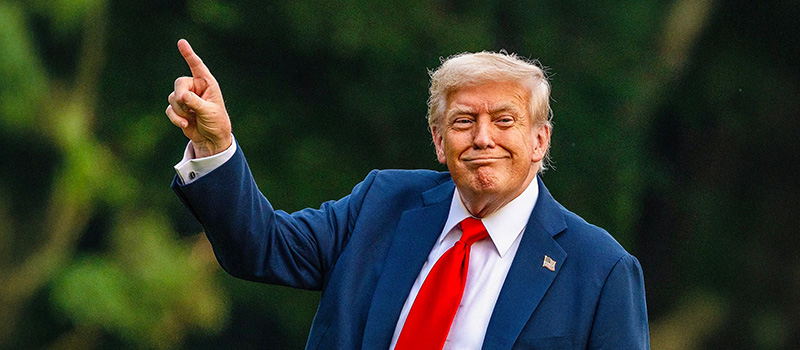
The new six-figure charge on H-1B visa applications has taken effect, adding $100,000 to the cost of hiring skilled foreign workers, hitting Fortune 500 companies that rely on immigrant workers particularly hard.
The H-1B program, created under the Immigration Act of 1990, allows US companies to bring in workers with specialized knowledge, particularly in computer science, engineering, and research roles. As of 2023, visa holders earned a median salary of $118,000 and, along with spouses, contributed $86 billion annually to the economy.
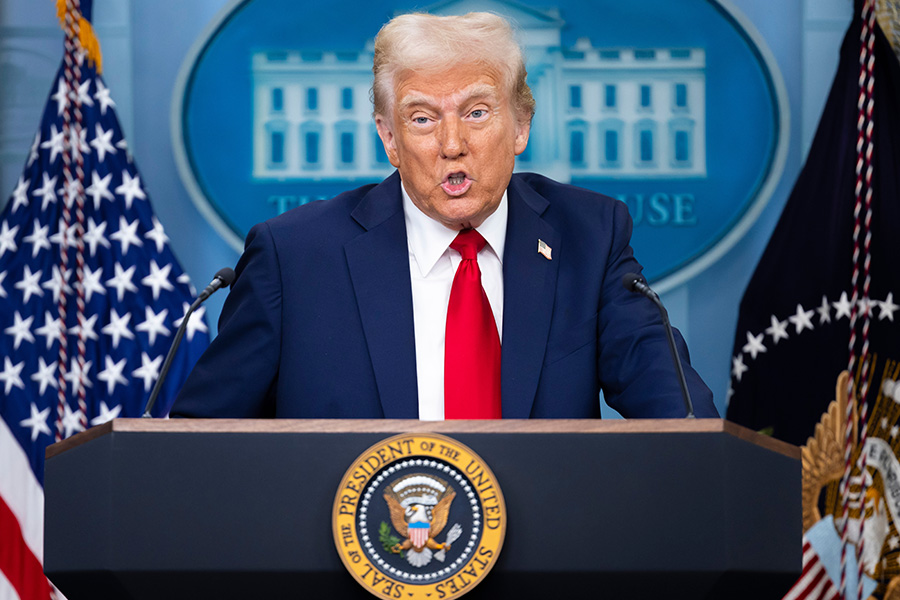
President Trump signed the order Friday, arguing the move is designed to curb program misuse and ensure American jobs remain a priority. “President Trump promised to put American workers first, and this commonsense action does just that by discouraging companies from spamming the system and driving down American wages,” White House spokeswoman Taylor Rogers said.
Critics warn of talent and innovation risks
Industry experts warned the sharp increase would have far-reaching consequences. David Bier, Director of Immigration Studies at the Cato Institute, told the BBC the change would “force US companies to radically change their hiring policies and offshore a significant amount of their work.” He added it would also prevent international founders and CEOs from managing American businesses and “deal a devastating blow to US innovation and competitiveness.”
Companies that rely heavily on H-1B visas include Amazon, which employed more than 12,000 visa holders in 2023 across subsidiaries Amazon Com Services and Amazon Web Services. Microsoft followed with 5,189 visa holders, while Meta employed 5,123. Walmart also ranked in the top 10 users, highlighting how the visas extend beyond technology into retail and other industries.
Trump accused tech companies of bringing in thousands of foreign workers while cutting domestic jobs. Yet fwd.us, an immigration advocacy group, estimates there are 730,000 H-1B holders in the US, a fraction of the 163 million employed as of August.
Supporters of the program argue the visas help fill critical roles that fuel the economy. More than half of H-1B holders work in computer-related occupations, while many others are researchers or analysts.
While Trump’s order aims to protect domestic workers, the backlash reflects fears that escalating costs could prompt companies to shift work abroad or rethink investment in US-based research and development.