Share this article:

'Uncertain time' | HR teams scramble as Trump springs shock $100,000 H-1B visa fee

Donald Trump

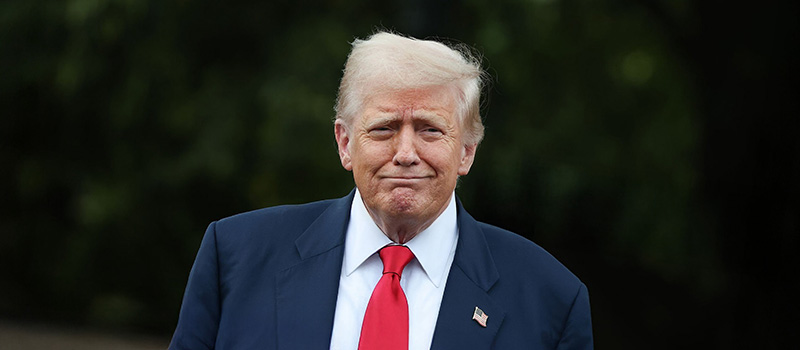
Wall Street firms and major technology companies were thrown into disarray this weekend after Donald Trump unveiled a $100,000 fee for skilled worker visas, leaving HR leaders racing to understand how staff would be affected.

The sudden proclamation, signed late Friday, applies to H-1B visas that employers rely on to fill specialist roles. Tens of thousands of employees and their families were caught off guard, sparking urgent communications from HR departments at Microsoft, Amazon, and JPMorgan advising staff abroad to return to the US before the rule took effect at 12:01 a.m. Sunday.

HR leaders brace for uncertainty

On Saturday, the White House clarified that the measure would only apply to new visa applications, not current holders or renewals. Even so, legal teams and HR executives were forced to make announcements.

“We acknowledge that this is an uncertain time for our people on H-1B visas and your families,” Goldman Sachs’ Head of Human Capital Management, Jacqueline Arthur, told staff in a memo, promising updates once lawyers had reviewed the details.

Law firms reported being inundated with queries. “There’s a lot of question marks all over this,” said Bernhard Mueller of Ogletree Deakins. “We are still flying in somewhat foggy conditions.”

A later notice from US Citizenship and Immigration Services confirmed the proclamation applied only to petitions “not yet filed.”

The new fee represents a dramatic shift in the H-1B program, which has long divided opinion. Critics argue it displaces US workers, while corporate leaders insist it is essential to remain competitive.

White House spokeswoman Taylor Rogers said the change fulfilled Trump’s pledge to “put American workers first” by discouraging “spamming the system and driving down wages.”

Business groups and employees react

Industry leaders voiced concern about the financial and operational fallout. “We’re concerned about the impact on employees, their families and American employers,” said Matt Letourneau of the US Chamber of Commerce.

Tech firms, among the largest sponsors of H-1B visas, largely declined to comment. But Adam Kovacevich, CEO of the Chamber of Progress, warned the policy could damage the nation’s edge in artificial intelligence: “This is going to mean that we’re fighting the AI war against China with one hand tied behind our back.”

Legal challenges are already in motion. Jeff Joseph, president of the American Immigration Lawyers Association, said his group was preparing a request for a temporary restraining order. Executive director Benjamin Johnson described “chaos” among clients trying to grasp the changes.

Featured Resource

Why HR still struggles to reach Deskless Employees

Why HR still struggles to reach Deskless Employees

Frontline employees often have the greatest need for HR support—but the least access to it. The reason is simple: most HR systems were designed for desk-based employees.

If you're investing in HR digital transformation, it's essential to ensure that every employee—whether office-based, hybrid, or deskless—has equal access to HR services, information, and support.

This guide explores the key considerations for building a consistent, accessible, and connected HR service experience for your entire workforce.

You'll learn how to:

✅ Deliver consistent HR support across every location

✅ Reduce repetitive HR requests

✅ Improve self-service adoption

✅ Connect email, mobile, AI and employee portals

✅ Create a better employee experience for frontline workers

Show more
Show less

Beyond technology, the fee could disrupt staffing in medicine, manufacturing, and higher education. Smaller firms and start-ups may be hardest hit. Investor Alan Patricof said: “There is not a single company that I have invested in the last 10 years that could afford to pay this.”

With 85,000 H-1B visas issued annually, many to Indian citizens, the policy has also raised diplomatic concerns. India’s Ministry of External Affairs said it was assessing “the full implications” and warned of humanitarian impacts on families.

Mukesh Aghi, head of the US-India Strategic Partnership Forum, said the aim of avoiding misuse was understood but added: “We just want to make sure that in the process, companies which are creating jobs here do not get penalized.”

Be the first to comment.

Sign up for a FREE myGrapevine account to have your say.

Share this article:

You are currently previewing this article.Create account

This is the last preview available to you for the next 30 days.

To receive our daily newsletter and access HR features & insights, create a free account today.