USA
USA  United Kingdom
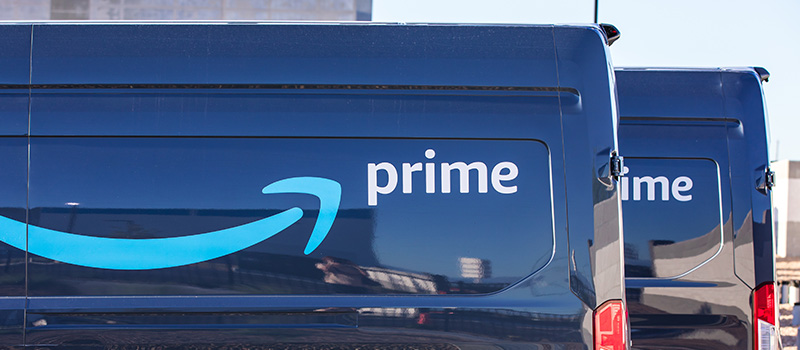
Amazon is once again at the center of a labor dispute after more than 150 unionized delivery drivers in Queens, New York, lost their jobs through a third-party contractor.
The Teamsters union said the dismissals at Cornucopia, a delivery service provider (DSP) working with Amazon, were carried out in response to drivers organizing. Workers gathered outside Amazon’s DBK4 facility in Queens this week to protest the move.
“Amazon is breaking the law and we let the public know it,” said Antonio Rosario, a member of Local 804 and a Teamster organizer. “Amazon workers will continue to organize and fight for what they deserve.”
Amazon disputed that the firings were connected to union activity, calling the union’s claim “deliberately spreading misinformation.”
Union challenges and legal backdrop
Amazon relies on more than 3,000 DSPs globally to handle its deliveries. The company maintains that the drivers were not Amazon employees and that decisions affecting contractors do not amount to retaliation against unionization.
Eileen Hards, an Amazon spokesperson, said the decision involving Cornucopia was “a recent change we made that’s designed to allow DSPs to be more hands-on with their teams and support their operations at one delivery station.” She added, “Our goal is to provide customers with fast delivery and great service – and we regularly review and make changes to the DSP program in support of this. Changes like this not only benefit their employees, but also our customers.”
Why HR still struggles to reach Deskless Employees
Frontline employees often have the greatest need for HR support—but the least access to it. The reason is simple: most HR systems were designed for desk-based employees.
If you're investing in HR digital transformation, it's essential to ensure that every employee—whether office-based, hybrid, or deskless—has equal access to HR services, information, and support.
This guide explores the key considerations for building a consistent, accessible, and connected HR service experience for your entire workforce.
You'll learn how to:
✅ Deliver consistent HR support across every location
✅ Reduce repetitive HR requests
✅ Improve self-service adoption
✅ Connect email, mobile, AI and employee portals
✅ Create a better employee experience for frontline workers
The dispute is not the first of its kind. In August, a National Labor Relations Board (NLRB) official in Los Angeles found Amazon had engaged in unfair labor practices when it cut ties with Battle-Tested Strategies, a California DSP whose drivers had also unionized with the Teamsters. While the official concluded Amazon’s decision was not direct retaliation, both Amazon and the contractor “unlawfully failed and refused to bargain with the union over effects of the decision.” The NLRB also ruled that Amazon should be considered a joint employer of the drivers, a decision Amazon is appealing.
Labor tensions surface
Before Christmas, the Teamsters organized strikes at eight Amazon warehouses over what the union described as stalled contract talks on pay and working conditions.
Amazon is also pursuing legal challenges. Last September, the company joined SpaceX in arguing that the NLRB’s structure is unconstitutional because its board members cannot be removed by the president. While the Supreme Court temporarily blocked Donald Trump’s attempt to remove NLRB member Gwynne Wilcox, her unfilled seat has left the board without a quorum, limiting its ability to rule on major labor disputes.