USA
USA  United Kingdom
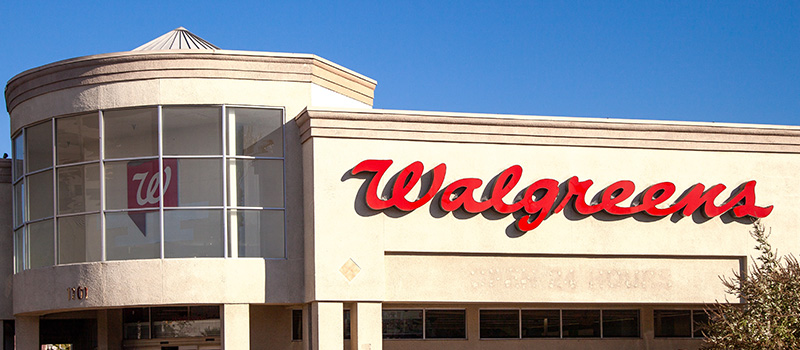
Troubled drug store chain Walgreens will close 60% of its underperforming stores by 2027, including about 500 in 2025, as part of a "footprint optimization" strategy which will inevitably lead to job losses.
The closures will include locations owned by Walgreens and sites where leases are set to expire in 2025. Company executives said some closures will carry costs, but also pointed to opportunities in sub-leasing stores identified as underperforming.
Walgreens Global Chief Financial Officer Manmohan Mahajan told investors that the 2025 shutdowns would be weighted toward the latter half of the fiscal year.

"We are prioritizing closing locations that are cash flow negative, underperforming stores where we own the locations and ones where the lease expirations are coming due in the next few years," he said.
"The economic benefits of this approach should begin to be tangible in fiscal 2025 by accelerating the scope of our footprint optimization program and focusing on stores with weakest cash generation."
Focus on footprint and cash flow
Mahajan said Walgreens evaluated 2,000 stores as part of its optimization efforts. With 1,200 stores closing, the company plans to focus on improving cash flow at the 800 locations it decided not to shut down.
In June, Walgreens told investors it had started reviewing its footprint of 8,600 stores. "However, as has always been the case, we will continuously evaluate this group and all our stores to ensure we ultimately operate with the best possible footprint," Mahajan said.
The announcement coincided with weaker results for fiscal 2024, with total retail sales down more than 4%.
Why HR still struggles to reach Deskless Employees
Frontline employees often have the greatest need for HR support—but the least access to it. The reason is simple: most HR systems were designed for desk-based employees.
If you're investing in HR digital transformation, it's essential to ensure that every employee—whether office-based, hybrid, or deskless—has equal access to HR services, information, and support.
This guide explores the key considerations for building a consistent, accessible, and connected HR service experience for your entire workforce.
You'll learn how to:
✅ Deliver consistent HR support across every location
✅ Reduce repetitive HR requests
✅ Improve self-service adoption
✅ Connect email, mobile, AI and employee portals
✅ Create a better employee experience for frontline workers
CEO calls 2025 a rebasing year
Tim Wentworth, CEO of Walgreens Boots Alliance, said the coming year will be critical.
"In fiscal 2025, we are focusing on stabilizing the retail pharmacy by optimizing our footprint, controlling operating costs, improving cash flow, and continuing to address reimbursement models to support dispensing margins and preserve patient access for the future," he said. "Fiscal 2025 will be an important rebasing year as we advance our strategy to drive value creation. This turnaround will take time, but we are confident it will yield significant financial and consumer benefits over the long term."