USA
USA  United Kingdom
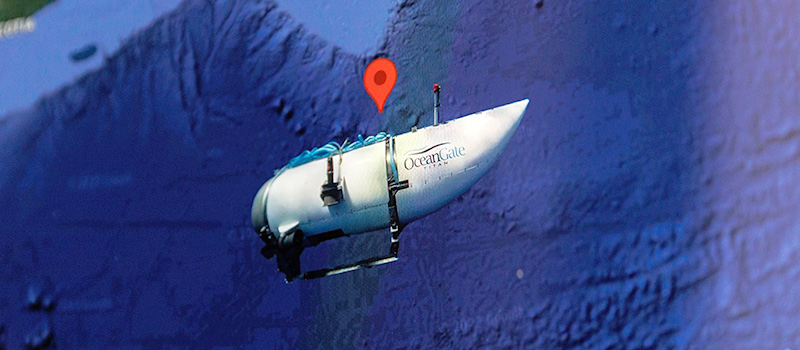
Workplace culture and operational neglect at OceanGate have been identified as critical factors in the fatal Titan submersible implosion, a US Coast Guard investigation has found.
The Marine Board of Investigation (MBI) report concluded the “loss of five lives was preventable” and outlined 17 safety recommendations intended to avoid future disasters.
The report, released Tuesday August 5, highlights “critically flawed” safety practices and a “toxic workplace culture” at the now-defunct deep-sea exploration company. The board found that OceanGate’s design, certification, maintenance, and inspection procedures were all “inadequate.”
The disaster killed Titan operator and OceanGate founder Stockton Rush, Titanic expert and sub pilot Paul-Henri Nargeolet, British businessman Hamish Harding, and father and son Shahzada and Suleman Dawood. The Titan lost contact on its descent to the Titanic wreck, with debris located days later 500 meters from the site.
Whistleblower fears and retaliation risks
The MBI noted the company’s “ineffective whistleblower process” and that termination threats were used to deter staff and contractors from raising safety concerns. “The firing of senior staff members and the looming threat of being fired were used to dissuade employees and contractors from expressing safety concerns,” the report said.
It added: “For several years preceding the incident, OceanGate leveraged intimidation tactics, allowances for scientific operations, and the company’s favorable reputation to evade regulatory scrutiny.”

According to the investigation, OceanGate “strategically creat[ed] and exploit[ed] regulatory confusion and oversight challenges” and ran Titan “completely outside of the established deep-sea protocols, which had historically contributed to a strong safety record for commercial submersibles.”
The company suspended operations in July 2023 and has not commented on the findings.
Neglected maintenance and ignored warnings
The MBI found the chief executive was allowed to “completely ignore vital inspections, data analyses, and preventative maintenance procedures,” which investigators said “culminated in a catastrophic event.”
Lead investigator Thomas Whalen and MBI chairman Jason Neubauer stated there was evidence Rush may have committed “potential criminal offences,” specifically “misconduct or neglect of ship officers.” The report concluded that, had he survived, Rush could have faced a maximum prison term of 10 years.
Numerous former employees have come forward since the June 2023 implosion to support claims of safety concerns being ignored. Testimony at a September 2024 hearing included a former scientific director who said Titan had malfunctioned just days before the fatal dive, and an ex-operations boss who described the sub as a “huge risk,” adding that the company was “only focused on profit.”
One challenge in the investigation was the lack of access to “significant amounts” of video evidence. Much of the footage had been captured by non-US witnesses, meaning it was not subject to the board’s subpoena authority.