USA
USA  United Kingdom
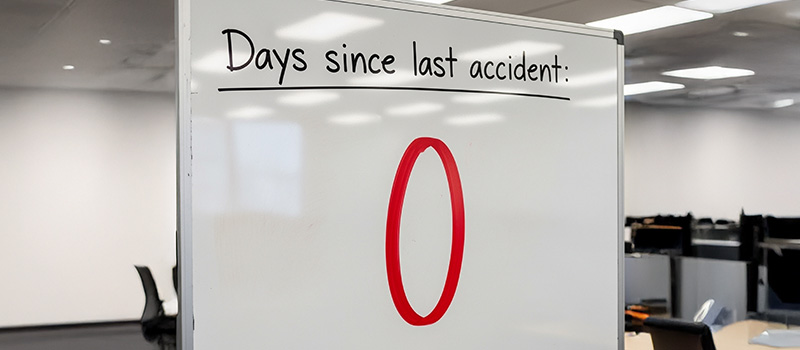
New data from the Bureau of Labor Statistics has identified the most hazardous professions to work in, with some surprising results.
Workplace incidents vary greatly in severity but can ripple through workers’ daily lives, especially in jobs that demand long hours on their feet.
To uncover the professions where these risks are most prevalent, we looked at the latest data from the Bureau of Labor Statistics (BLS). The figures on non-fatal occupational injuries and illnesses by industry, identified the jobs with the highest injury rates, measured per 100 full-time workers.
The results shine a light on the hidden dangers of everyday jobs, some of which you might not expect.

Workplace injuries don’t affect all industries equally. Some professions carry a far greater risk than others, with workers in those fields facing daily hazards that can lead to accidents and injuries.
With a BLS-reported incidence rate of 4.5 per 100 full-time workers, workers in transportation and warehousing are number one on the list and engage in some of the most dangerous work, wh9ich often involves heavy machinery, long hours, and unpredictable conditions.
The world of entertainment and recreation is - somewhat surprisingly - the second most hazardous industry, with an incidence rate of 4.3 injuries per 100. The risks, especially in amusement parks and physical performances, help explain why it’s second on the list.
Injuries remain high across care and service jobs
From tending crops to raising livestock, fishing, and hunting, agriculture carries a rate of 4.2 injuries. In health care and social assistance, which supports individuals through medical care and social services, the rate stands at 3.6 injuries. In 2023, the sector led in the number of recorded work injury cases.
The retail sector recorded 3.1 injuries per 100 workers and 353.9 recorded injuries in 2023. The physical nature of the job, including stocking, handling inventory, and constant movement, can lead to frequent workplace injuries.
Manufacturing figured lower than you might expect, showing 2.8 injuries per 100 workers, but the second-highest number of injury cases among the top 10 sectors. In accommodation and food services, the rate reached 2.7 injuries, with 231.4 recorded cases.
Construction had an incidence rate of 2.3 injuries, due to physical demands and the hazards of machinery and working at heights. Wholesale trade also had a rate of 2.3 and 129.9 recorded injuries.
Real estate and rental and leasing had a rate of two, rounding out the top 10 most hazardous industries.
Why HR still struggles to reach Deskless Employees
Frontline employees often have the greatest need for HR support—but the least access to it. The reason is simple: most HR systems were designed for desk-based employees.
If you're investing in HR digital transformation, it's essential to ensure that every employee—whether office-based, hybrid, or deskless—has equal access to HR services, information, and support.
This guide explores the key considerations for building a consistent, accessible, and connected HR service experience for your entire workforce.
You'll learn how to:
✅ Deliver consistent HR support across every location
✅ Reduce repetitive HR requests
✅ Improve self-service adoption
✅ Connect email, mobile, AI and employee portals
✅ Create a better employee experience for frontline workers
OSHA offers workplace safety advice
The Occupational Safety and Health Administration (OSHA) provides a list of safety advice to keep employees safer in the workplace. Its top tips include:
Regularly train new employees and offer refresher courses to keep everyone updated on safety protocols.
Train employees to recognize and address chemical, physical, and biological hazards through regular inspections.
Ensure proper equipment and training to prevent falls when working at heights, and factor safety costs into job estimates.
Ensure workers wear essential personal protective equipment, including footwear with anti-slip soles, to minimize injury risks.
Provide water, rest, and shade for outdoor workers to avoid heat-related issues, and train for emergency heat situations.
Make sure employees know emergency procedures and have clear directions in case of a disaster.
Maintain proper airflow to avoid poor air quality, which can lead to health issues like headaches and fatigue.
Stock up on medical supplies and ensure you're prepared for workplace injuries.
Review employee schedules to avoid burnout and ensure enough breaks to reduce fatigue and accidents.
Give workers the knowledge and tools to report hazards and promote safety standards freely in the workplace.
Top Most Injured Professions
Transportation and Warehousing
Arts, Entertainment, and Recreation
Agriculture, Forestry, Fishing, and Hunting
Health Care and Social Assistance
Retail Trade
Manufacturing
Accommodation and Food Services
Construction
Wholesale Trade
Real Estate and Rental and Leasing