USA
USA  United Kingdom
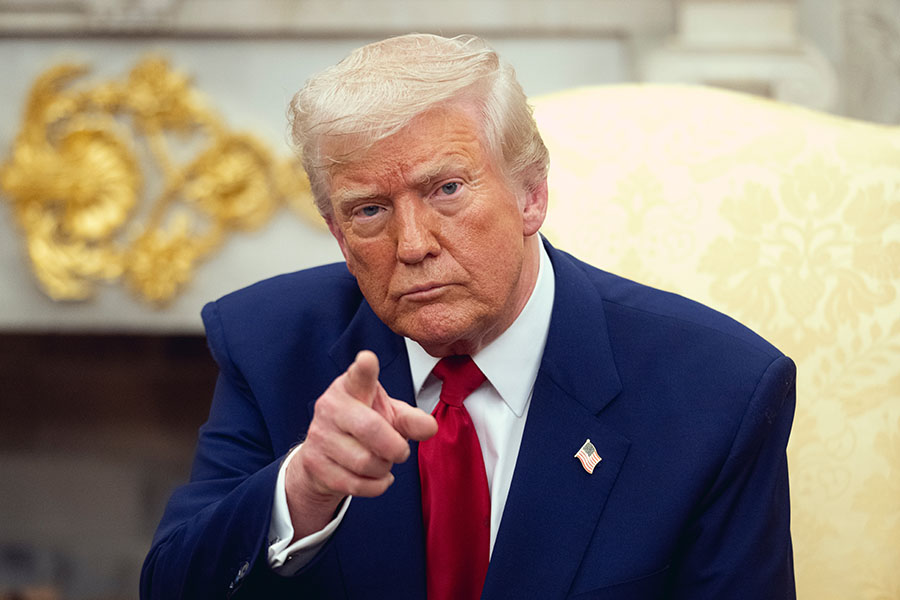
A federal court has intervened in the Trump administration’s plan to downsize the US Department of Health and Human Services (HHS), granting a preliminary injunction that blocks layoffs and a major reorganization of the federal agency.
The order, issued by Judge Melissa DuBose, comes in response to a lawsuit filed by attorneys general representing 19 states and the District of Columbia. In her ruling, DuBose stated that the plaintiffs demonstrated “irreparable harm” from the March layoffs and were likely to succeed in showing that “HHS’s action was both arbitrary and capricious as well as contrary to law.”

“The executive branch does not have the authority to order, organize, or implement wholesale changes to the structure and function of the agencies created by Congress,” DuBose wrote.
The ruling requires HHS to pause finalizing any previously announced layoffs and prohibits further terminations. The department must submit a status report by July 11.
Four divisions face workforce freeze
The injunction applies to employees across four divisions of HHS: the Centers for Disease Control and Prevention; the Center for Tobacco Products at the Food and Drug Administration; the Office of Head Start within the Administration for Children and Families and related regional staff; and the Office of the Assistant Secretary for Planning and Evaluation.
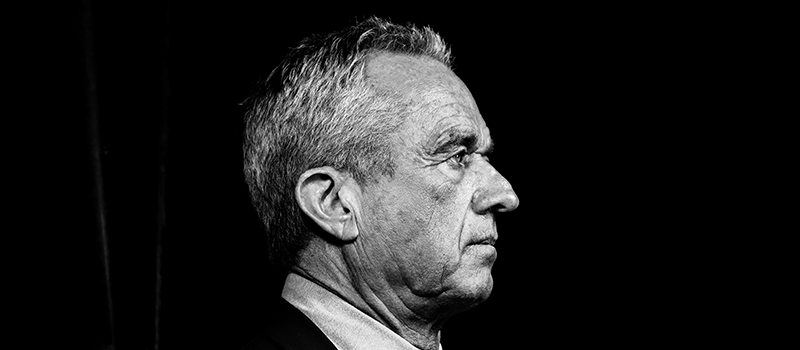
In March, Health Secretary Robert F. Kennedy Jr. had ordered layoffs impacting more than 10,000 workers and moved to consolidate 28 agencies into 15 under the “Make America Healthy Again” initiative. Kennedy later testified before Congress that the department was plagued by “so much chaos and disorganization.”
Since the announcement, agencies including the CDC have rescinded hundreds of layoff notices, some in disease monitoring units focused on HIV and hepatitis.
HR Conversational Agent: Do's & Don'ts
HR chatbots are everywhere. But answering “What’s my vacation policy?” is only the beginning.
The real value of conversational AI starts when an HR Agent can understand employee context, access the right HR knowledge, trigger requests and workflows, and connect with the systems already in place.
So how do you tell the difference between an impressive AI demo and a solution employees will actually trust and use?
In HR Conversational AI: 5 Do’s & 5 Don’ts, discover the key principles for building an HR Agent that delivers real value — and the common mistakes that can turn an AI initiative into yet another tool employees ignore.
You’ll learn how to evaluate:
Employee experience: Can employees get relevant, personalized answers?
Action: Can the Agent actually initiate HR requests and processes?
Integration: Does it work with your existing HR ecosystem?
Trust & governance: Is employee data handled securely?
Adoption: Will employees actually want to use it?
Before choosing your next HR AI solution, know what to look for — and what to avoid.
States claim public health is at risk
The lawsuit says that the restructuring overreached HHS’s authority and imposed financial and operational burdens on the states. “The intended effect … was the wholesale elimination of many HHS programs that are critical to public health and safety,” the plaintiffs argued.
States with Democratic governors brought the case, arguing the action would damage essential services including food and drug regulation, tobacco control, and maternal and infant health programs. Many of the same states also brought a separate case over $11 billion in public health funding cuts, which also resulted in a preliminary injunction in May.
Kennedy, a controversial and divisive pick as Health Secretary, has acknowledged that “mistakes” occurred during the reorganization and indicated that 20% of those laid off may be reinstated.