 USA
USA  United Kingdom

Amazon is boosting hourly pay for its warehouse workers across the US, raising average base wages to more than $22 an hour and extending a popular consumer benefit to its frontline employees.
The move marks another step by the much-maligned e-commerce company to invest in its workforce ahead of a crucial shopping period.
The company confirmed that the increase from approximately $20.50 an hour is effective this month and forms part of a broader investment in compensation and incentives. The announcement follows a similar wage increase last week for contracted delivery drivers, who are now earning around $22 an hour through Amazon’s third-party logistics programme. The pay hike was part of a $2.1billion investment in delivery operations this year.
"I’m proud to say that this year is our biggest ever investment in our team," said Udit Madan, Senior Vice President of Amazon Worldwide Operations. "It’s one of the many ways that we say thank you for all the work that they do to support our customers and communities".
Amazon’s announcement affects more than 800,000 employees, and the decision comes just weeks before the company’s fall promotional event, set for October 8-9, which mirrors its summer Prime Day initiative.
New wage levels reflect market pressures
The increase in wages reflects ongoing pressure in the retail and logistics sectors to retain talent, especially ahead of the holiday season, when demand for labour typically spikes. For HR leaders in similar industries, the move underscores the importance of competitive hourly pay in attracting and maintaining a stable workforce.
Why HR still struggles to reach Deskless Employees
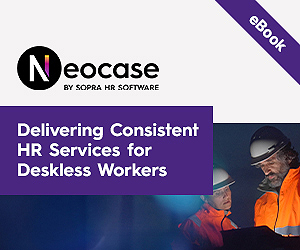
Frontline employees often have the greatest need for HR support—but the least access to it. The reason is simple: most HR systems were designed for desk-based employees.
If you're investing in HR digital transformation, it's essential to ensure that every employee—whether office-based, hybrid, or deskless—has equal access to HR services, information, and support.
This guide explores the key considerations for building a consistent, accessible, and connected HR service experience for your entire workforce.
You'll learn how to:
✅ Deliver consistent HR support across every location
✅ Reduce repetitive HR requests
✅ Improve self-service adoption
✅ Connect email, mobile, AI and employee portals
✅ Create a better employee experience for frontline workers
With the US labour market still tight in key distribution and logistics hubs, Amazon’s compensation strategy could influence broader industry benefit levels. While the company has faced huge criticism, unionisation efforts and employee activism in recent years, its latest pay move may help ease some workplace tensions and improve employee engagement.
It also signals the company's commitment to reinvesting in its frontline workforce at a time when many employers are scaling back spending in uncertain economic conditions. By increasing both employee wages and delivery contractor pay, Amazon is fortifying its staffing model during a critical commercial window.
Amazon workers to receive free Prime membership
In a further effort to support retention and employee satisfaction, Amazon will begin offering its flagship Prime subscription as a free workplace benefit starting early next year. The service, which usually costs consumers $140 annually, includes free shipping, video streaming, and other perks.
Integrating Prime into its benefits package may appeal to both current staff and new recruits, particularly in lower-wage roles where tangible benefits can significantly affect job satisfaction and loyalty.
Amazon did not disclose whether the benefit will be extended to part-time workers or if there are any eligibility requirements. Still, the addition of the Prime subscription adds a competitive edge to its employee offering, helping to differentiate the company as seasonal hiring ramps up.


