USA
USA  United Kingdom

Two of the nation’s largest employers have been hit by festive strikes, as workers at Amazon and Starbucks stage walkouts during the critical holiday shopping period.
Amazon employees at seven US facilities, including those in New York, Atlanta, and San Francisco, are now on strike, demanding improved safety standards and fairer treatment. Organized by the Teamsters union, the walkout is being called the largest strike against the e-commerce giant to date, though Amazon has downplayed its impact on operations.
The strikes come as Amazon faces growing scrutiny over its workplace practices. Protesters allege the company enforces rigorous quotas that lead to physical strain and injuries. “The more you do, the more you’re expected to do,” one delivery driver was quoted as saying.
Amazon has dismissed the Teamsters' claims, accusing the union of intimidation tactics. A company spokesperson stated that operations remain unaffected, highlighting the organization’s expansive network of over 600 fulfilment centers and delivery hubs across the country.
The walk-outs come after the Teamsters’ December 15 deadline for Amazon to begin negotiations, passed without progress. While the union claims to represent 10,000 workers at 10 Amazon sites, the company disputes this, stating no formal union elections or bargaining orders exist at those locations.
Amazon workers are also receiving international solidarity, with strikes announced at German warehouses by the United Services Union. Despite the unrest, Amazon recently committed to a $2.1 billion investment to raise hourly wages to an average of $22 for US fulfillment and transportation employees.
Starbucks holiday strike spreads
Meanwhile, Starbucks baristas in Los Angeles, Chicago, and Seattle launched a five-day strike Friday, with plans for walkouts at hundreds of stores nationwide by Christmas Eve. The Workers United union, representing 10,000 Starbucks employees at 525 locations, is demanding higher wages, better staffing, and more stable schedules.
Why HR still struggles to reach Deskless Employees
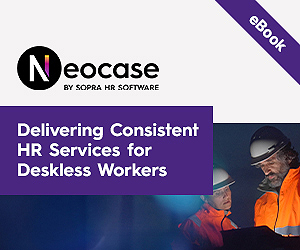
Frontline employees often have the greatest need for HR support—but the least access to it. The reason is simple: most HR systems were designed for desk-based employees.
If you're investing in HR digital transformation, it's essential to ensure that every employee—whether office-based, hybrid, or deskless—has equal access to HR services, information, and support.
This guide explores the key considerations for building a consistent, accessible, and connected HR service experience for your entire workforce.
You'll learn how to:
✅ Deliver consistent HR support across every location
✅ Reduce repetitive HR requests
✅ Improve self-service adoption
✅ Connect email, mobile, AI and employee portals
✅ Create a better employee experience for frontline workers
Union President Lynne Fox criticized Starbucks’ lack of progress in addressing these concerns, accusing the company of prioritizing profits over its workers. “We refuse to accept zero immediate investment in baristas’ wages and no resolution of the hundreds of unfair labor practices,” she said.
Starbucks has denied wrongdoing, claiming it has negotiated in good faith. The company says it has reached agreements on numerous topics during nine bargaining sessions with Workers United since April.
The National Labor Relations Board (NLRB) has weighed in on the disputes, finding last month that Starbucks illegally threatened workers with benefit loss for unionizing at its Seattle flagship store. The company is also grappling with hundreds of pending complaints filed with the NLRB.
Broader labor implications
The Amazon and Starbucks strikes reflect a broader surge in labor activity across the service sector, following significant wins by unions in manufacturing, aerospace, and rail industries. As US workers leverage holiday disruptions to spotlight their grievances, labor unrest is poised to intensify into 2024, presenting challenges for corporate HR leaders navigating the evolving demands of employee relations.